
Quotation


Performance
International Hydrogen Technology Symposium Simultaneous Interpretation | Hydrogen Technology · Energy Transition · Clean Energy Policy Symposium – UNIVERSE RB
- 2025.09.03
Advanced Manufacturing & Industrial Systems
Category Description
This category covers interpretation cases related to smart manufacturing,
industrial automation, supply chain management, and ESG-driven production
strategies.
UNIVERSE RB provides integrated services including:
Simultaneous interpretation Consecutive interpretation Industrial technology seminar interpretation Technical document translation QMS-based quality management operations
We support smart manufacturing seminars, industrial technology forums, and manufacturing innovation conferences.

Executive Summary
The International Hydrogen Technology Symposium addressed cutting-edge hydrogen production technologies, storage and transport systems, fuel-cell applications, and global policy frameworks supporting the transition toward a net-zero hydrogen economy.
-
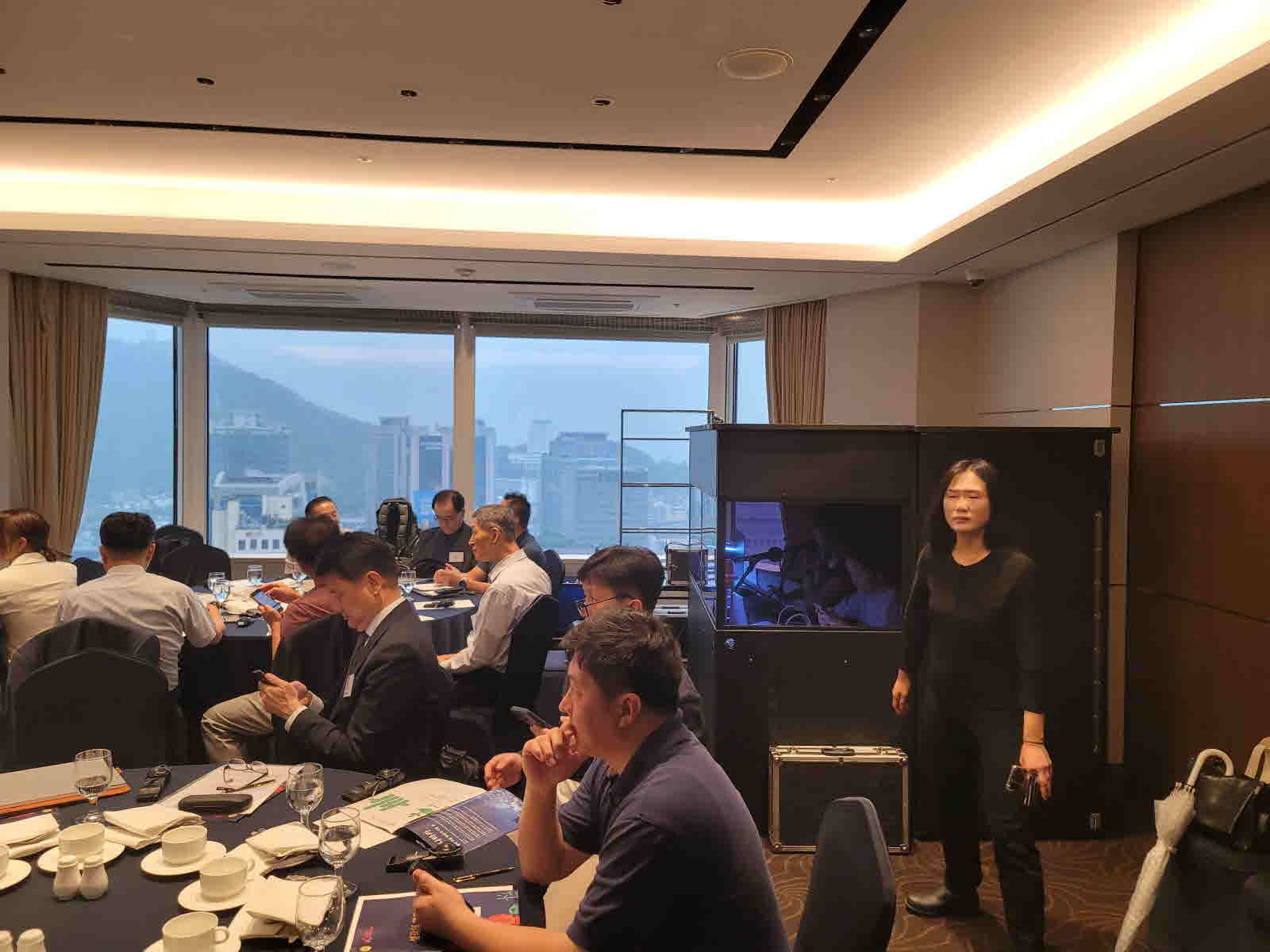
Total Participants: 250+ energy researchers, policymakers, investors, and industry leaders
-
Specialized Terminology: 950+ hydrogen engineering, carbon-reduction, and energy-policy terms
-
AI Structural Support: 55% (terminology clustering, acronym alignment, technical slide tracking)
-
Human Strategic Interpretation: 100% (engineering precision, policy nuance, climate-governance framing)
-
Technical / Policy Error: 0 cases
-
QMS 9-Step Applied
Hydrogen symposium interpretation requires deep technical understanding combined with global climate-policy literacy.
Event Overview
The symposium focused on:
-
Green hydrogen and blue hydrogen production technologies
-
Electrolysis systems and carbon capture integration
-
Hydrogen storage and transport (liquefaction, ammonia carriers)
-
Fuel-cell stack innovation in mobility and power generation
-
Hydrogen hubs and global supply-chain cooperation
-
Net-zero policy frameworks and international energy collaboration
Participants included:
-
Energy-company researchers and engineers
-
Government policymakers
-
Academic experts in energy systems
-
Overseas investors and strategic partners
This communication environment integrates energy engineering, decarbonization strategy, infrastructure policy, and international cooperation simultaneously.
Scope of Interpretation
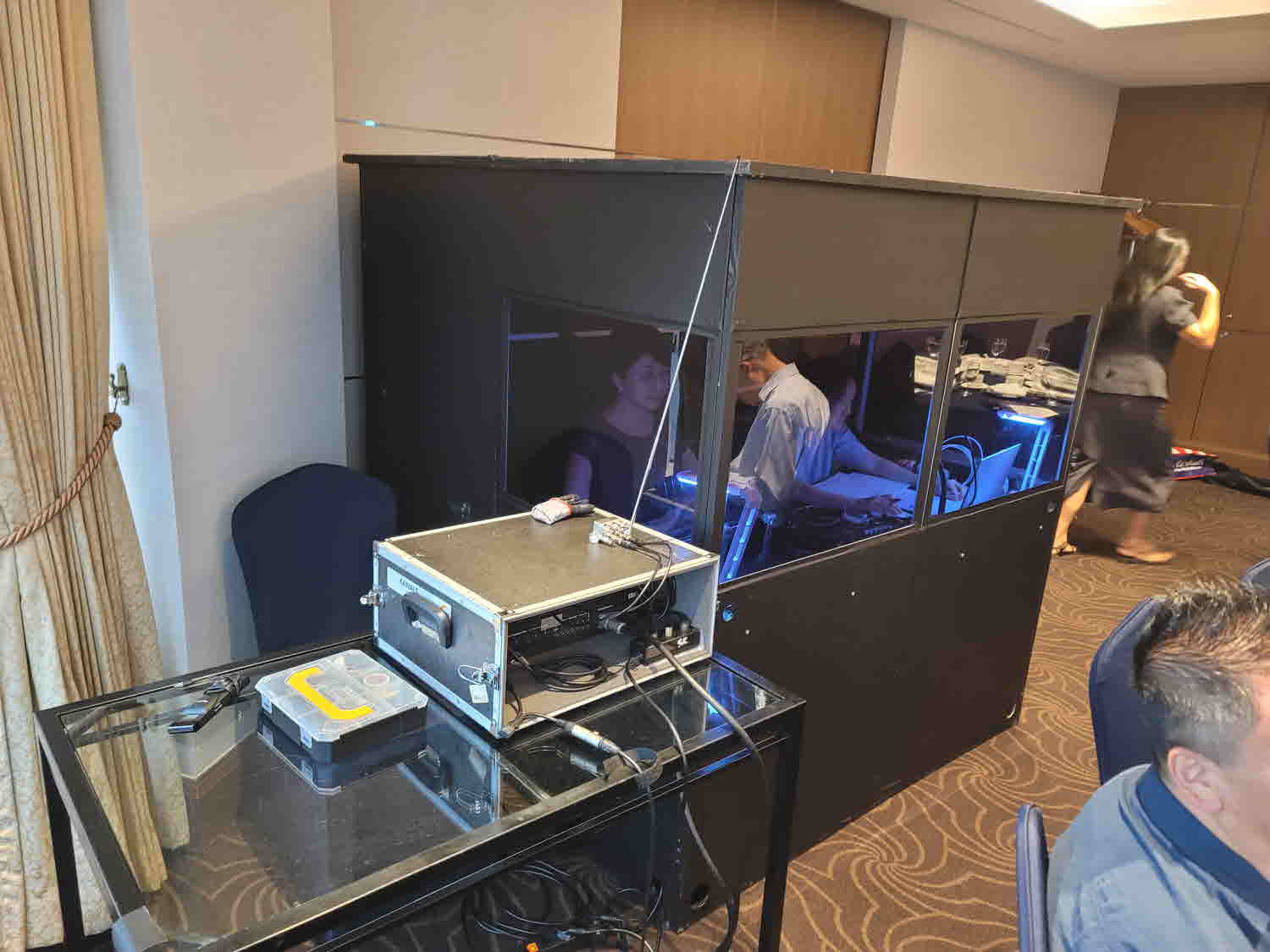
Simultaneous Interpretation (EN ↔ KR)
-
Hydrogen production technology sessions
-
Storage and transport deep dives
-
Fuel-cell application panels
-
Policy and net-zero strategy discussions
Panel Discussion:
“Net-Zero and the Future of Hydrogen Technologies”
Why This Interpretation Was Complex
1) Engineering-Level Terminology
Electrolysis efficiency, hydrogen liquefaction, fuel cell stack, carbon capture.
2) Policy & Climate Frameworks
Net-zero commitments, hydrogen hubs, international cooperation mechanisms.
3) Cross-Disciplinary Audience
Engineers, policymakers, investors, and academics.
4) Numeric & Efficiency Metrics
Energy density, carbon reduction rates, production cost comparisons.
5) Accented & Fast-Paced Speakers
Technical engineers and international policymakers.
Misinterpretation may distort engineering accuracy or climate-policy alignment.
AI + Human Interpretation Architecture
| Segment | AI Role | Human Expert Role | Ratio |
|---|---|---|---|
| Technical hydrogen production | Terminology clustering | Engineering precision | 60% AI |
| Storage & transport sessions | Acronym stabilization | Infrastructure explanation | 70% Human |
| Fuel-cell applications | Numeric alignment | Industrial clarity | 100% Human |
| Policy & net-zero discussions | Term mapping | Climate-governance nuance | 100% Human |
AI supports structural term consistency.
Human experts ensure technical depth and policy credibility.
QMS 9-Step Application
-
Pre-event review of hydrogen white papers and industry reports
-
Hydrogen & decarbonization glossary construction (950+ terms)
-
Climate-policy framework mapping
-
Engineering–policy integration design
-
Booth & technical verification
-
Real-time terminology monitoring
-
Efficiency and emission-metric validation
-
Post-session precision audit
-
Continuous improvement archive
Energy-transition forums require integration of engineering accuracy and policy sensitivity.

Key Achievements
-
Delivered advanced terminology (electrolysis, carbon capture, hydrogen hub, fuel cell stack) with precision
-
Balanced technical explanations with policy implications
-
Managed fast-paced engineering presentations effectively
-
Reflected global hydrogen-economy narratives within Korean policy context
-
Received positive feedback for clarity and coherence
Representative Technical Themes
-
Green vs blue hydrogen cost structure
-
Ammonia-based hydrogen transport logistics
-
Hydrogen fuel-cell applications in mobility
-
Hydrogen hub development strategies
-
Net-zero roadmap alignment
Global Visibility Statement
UNIVERSE RB does not provide language services based solely on interpreter availability.
We design communication architecture based on engineering complexity, climate-policy exposure, international cooperation impact, and investment sensitivity.
AI supports structural stability.
Human experts manage engineering precision, decarbonization strategy framing, and global policy nuance.
Quality is engineered.
FAQ
Why is hydrogen symposium interpretation technically demanding?
Because it combines chemical engineering, energy systems, climate policy, and infrastructure investment in one forum.
Can AI-only interpretation manage hydrogen-energy forums?
AI can align terminology but cannot independently manage engineering nuance or climate-governance context.
How do you ensure emission and efficiency accuracy?
We validate all carbon-reduction and production-efficiency figures in real time.
Is simultaneous interpretation recommended?
Yes, especially for high-density technical sessions.
Do you support energy white-paper and policy translation?
Yes, including hydrogen roadmaps, feasibility studies, and carbon-neutral strategy documents.
Pricing Determination Conditions
Pricing is determined by:
-
Language pair complexity
-
Hydrogen engineering specialization depth
-
Climate-policy and decarbonization sensitivity level
-
Infrastructure and investment exposure
-
Event duration
-
Onsite vs Remote format
-
Equipment tier
-
AI utilization ratio
-
Pre-analysis hours required (technical & policy review)
-
Public and governmental visibility level
Hydrogen symposium interpretation reflects engineering and policy exposure—not duration alone.
In large-scale international seminars, stable multilingual communication is achieved when interpretation systems, technical equipment, and interpreter operations are designed as an integrated architecture.
Closing Statement
It is engineering-precise, climate-policy–aware communication architecture.
This
case represents one of the seminars discussing manufacturing innovation and
evolving industrial production systems.
Manufacturing industries continue to develop through smart factories,
data-driven operations, and automation technologies
→ View Advanced Manufacturing & Industrial Systems Cases
https://universerb.com/en/11_en/258?page=39
https://universerb.com/en/11_en/270?page=39
The case archive on this
website is based on interpretation and global communication experiences
conducted in international seminars, policy forums, corporate presentations,
and industry conferences.
To comply with client confidentiality and the Code of Professional Conduct,
some event details are described in a generalized manner.