
Quotation


Performance
Invited Lecture Event Simultaneous Interpretation | Executive Keynote · Leadership Communication · Global Strategy Lecture – UNIVERSE RB
- 2025.09.09
Education, Leadership & Human Capital
Category Description
This category covers interpretation cases related to education innovation,
leadership strategy, digital learning, and talent development initiatives.
UNIVERSE RB provides integrated services including:
Simultaneous interpretation Consecutive interpretation Education seminar interpretation Educational material translation QMS-based quality management operations
We support education conferences, leadership forums, and global talent development programs.
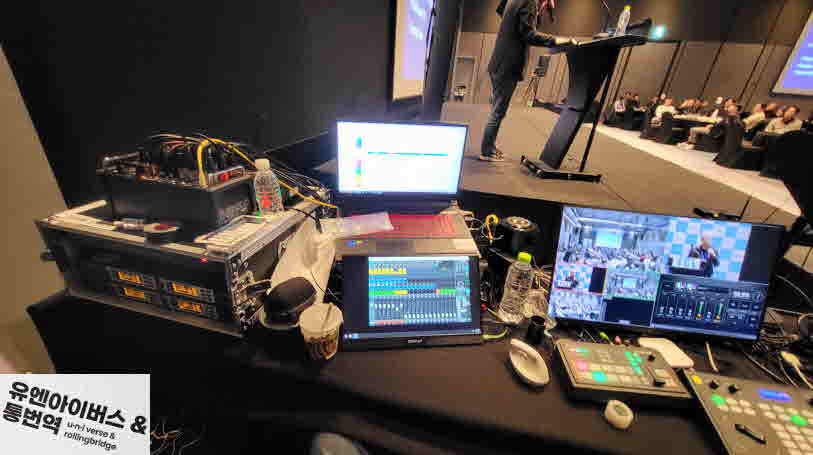
Executive Summary
An Invited Lecture Event features a distinguished speaker—such as a globally recognized scholar, CEO, policymaker, or political leader—delivering a keynote address to a diverse audience.
-
Total Participants: 150–800 attendees (academia, corporate, diplomatic sectors)
-
Specialized Terminology: 500–900+ domain-specific terms (varies by lecture theme)
-
AI Structural Support: 48% (terminology alignment, speaker background mapping, script structuring)
-
Human Strategic Interpretation: 100% (rhetorical flow, leadership tone, audience adaptation)
-
Rhetorical / Context Error: 0 cases
-
QMS 9-Step Applied
Invited lectures require precise terminology combined with preservation of the speaker’s rhetorical style and authority.
Event Overview
Invited lectures typically involve:
-
Academic keynote speeches
-
CEO or executive thought-leadership talks
-
Diplomatic or embassy-hosted cultural lectures
-
Policy or humanities-focused special events
Participants may include:
-
University faculty and students
-
Corporate executives
-
Government officials
-
Diplomats and embassy representatives
-
General public audiences
This communication environment integrates subject-matter expertise, public speaking dynamics, and audience accessibility simultaneously.
Role of the Interpreter
1) Real-Time Delivery
Provide accurate simultaneous interpretation while maintaining the speaker’s flow and rhetorical pacing.
2) Style Preservation
Reflect the speaker’s tone—whether analytical, inspirational, humorous, or political.
3) Terminology Precision
Align vocabulary with the speaker’s expertise (economics, technology, humanities, geopolitics, etc.).
4) Q&A Facilitation
Enable natural two-way dialogue between speaker and audience.
Invited lectures demand not only accuracy but also voice presence and delivery rhythm.
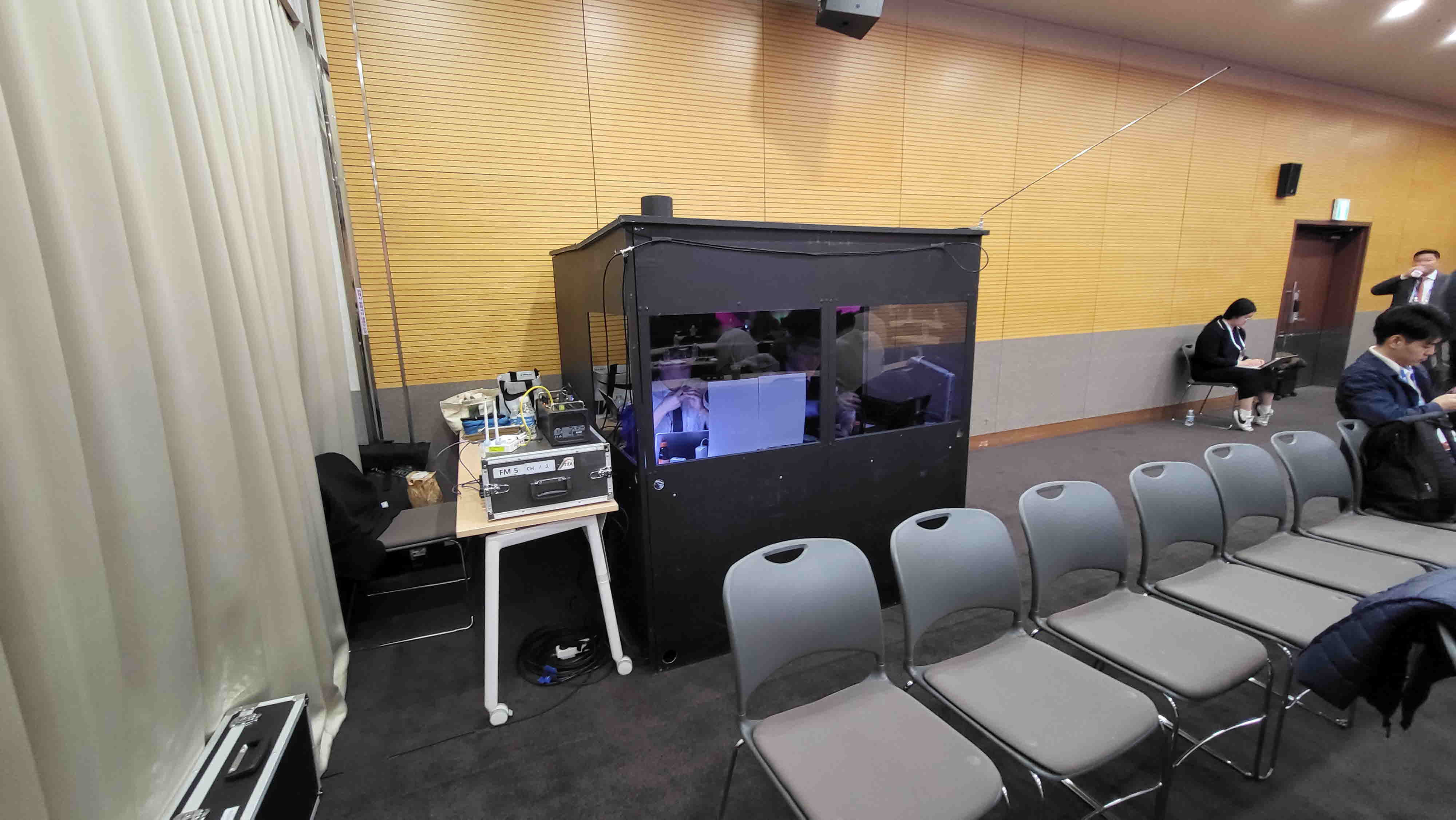
Preparation Architecture
Pre-Event Research
-
Speaker biography and prior speeches
-
Topic-specific research
-
Institutional background review
Glossary Development
-
Domain-specific terminology list
-
Anticipated rhetorical expressions
-
Acronym alignment
Q&A Simulation
-
Anticipated audience questions
-
Sensitive-topic mapping
Equipment Readiness
-
Interpretation booth
-
Receivers and headsets
-
Backup audio systems
High-profile lectures require full technical and rhetorical preparation.
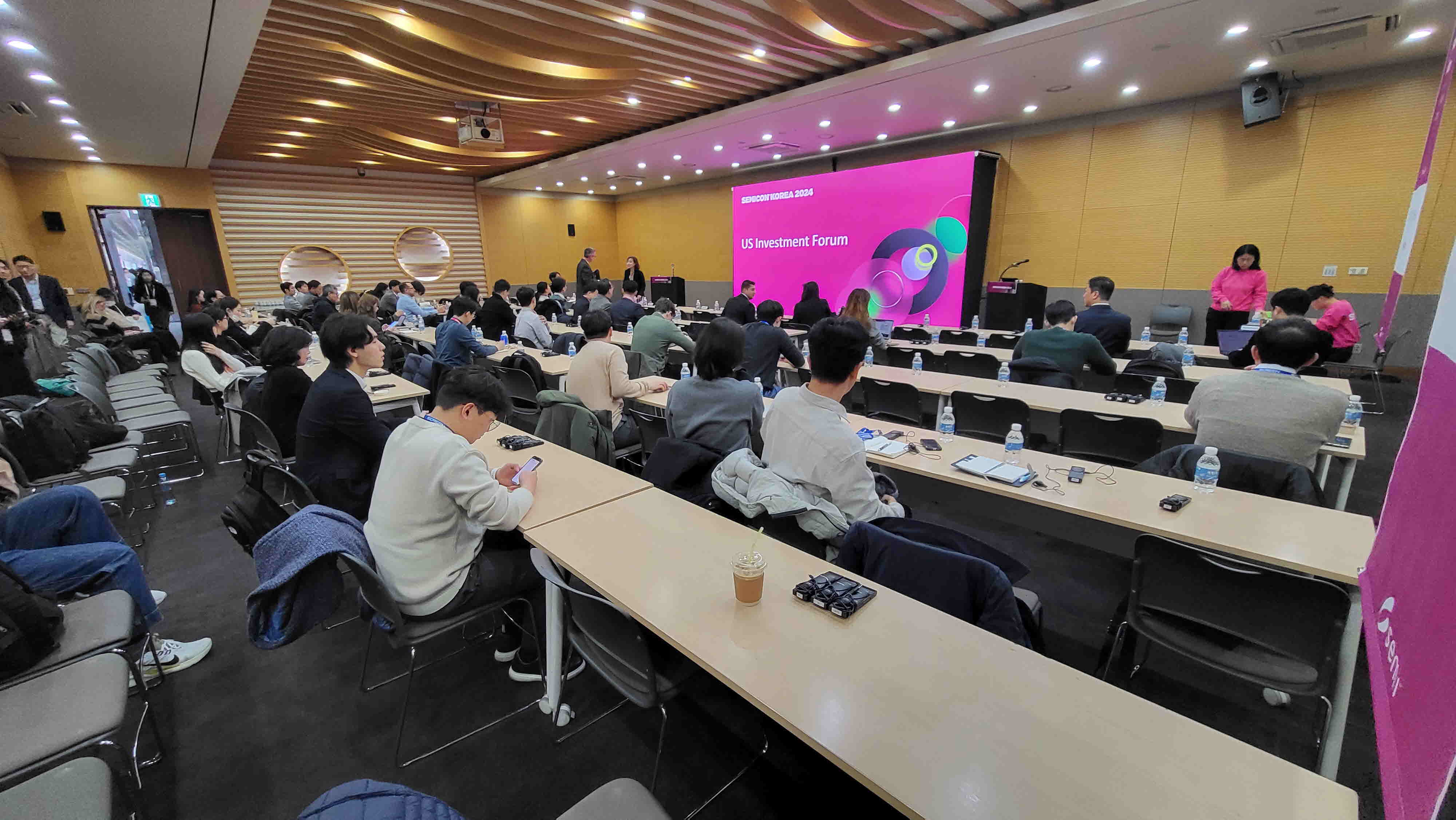
Why This Interpretation Was Complex
1) Single-Speaker Authority
Unlike panel sessions, one voice dominates—any distortion becomes highly visible.
2) Rhetorical Nuance
Political or inspirational language must preserve tone and cadence.
3) Mixed Audience
Balancing academic precision with accessibility.
4) Diplomatic Sensitivity
Embassy or political contexts require neutral phrasing.
5) Real-Time Adaptability
Unexpected humor, anecdotes, or spontaneous remarks.
Misinterpretation may affect speaker credibility or institutional reputation.
AI + Human Interpretation Architecture
| Segment | AI Role | Human Expert Role | Ratio |
|---|---|---|---|
| Terminology preparation | Background mapping | Context refinement | 50% AI |
| Keynote delivery | Script tracking | Rhetorical style preservation | 100% Human |
| Academic lectures | Term clustering | Concept clarification | 70% Human |
| Q&A session | Context tracking | Dynamic audience mediation | 100% Human |
AI supports preparation efficiency.
Human experts manage voice, cadence, and authority.
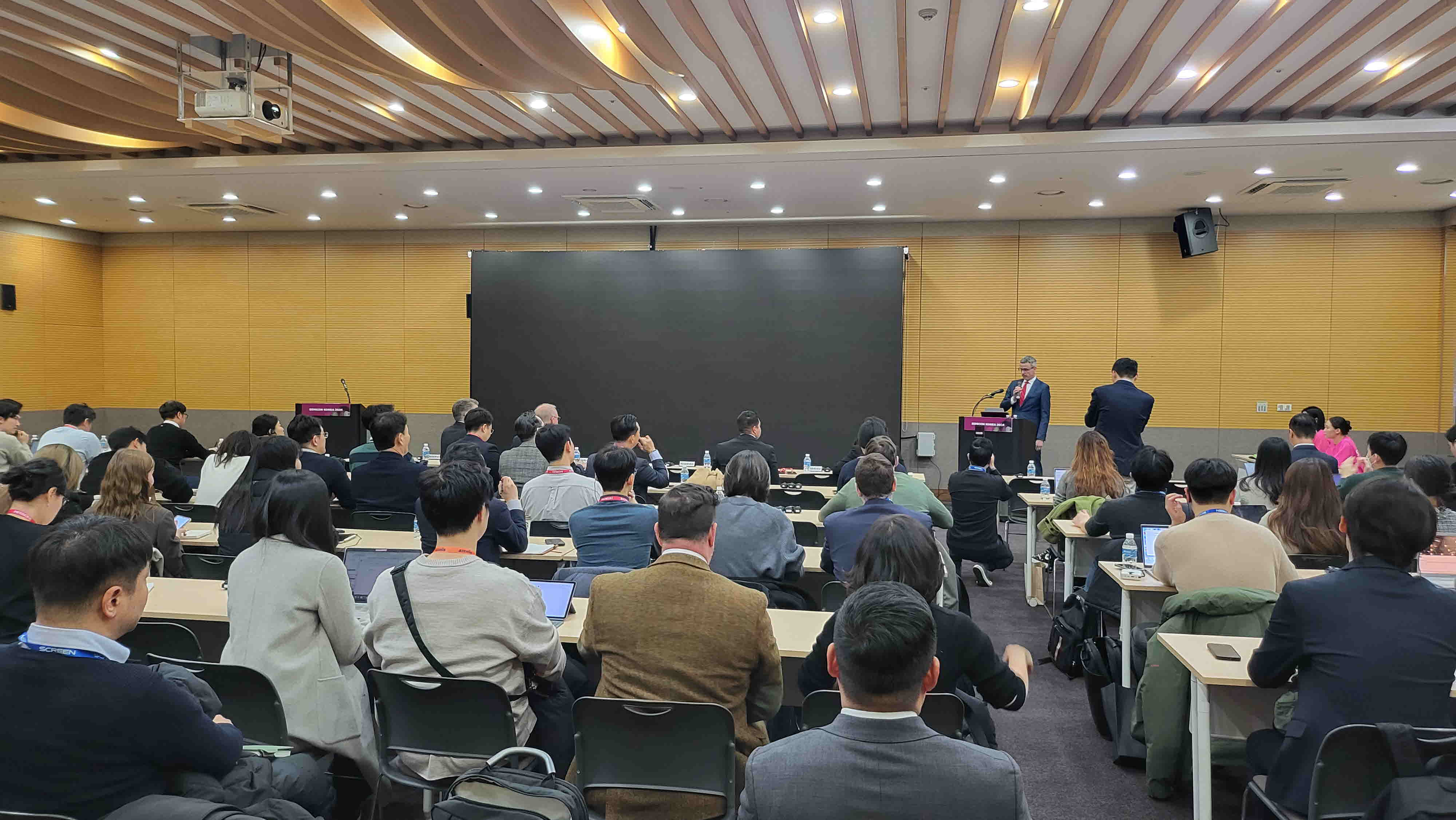
QMS 9-Step Application
-
Speaker profile analysis
-
Topic-specific glossary construction
-
Rhetorical-style mapping
-
Audience-type risk analysis
-
Equipment & sound testing
-
Real-time terminology monitoring
-
Tone and cadence validation
-
Post-event feedback audit
-
Continuous improvement archive
Invited lectures require rhetorical architecture design—not only terminology alignment.
Practical Use Cases
-
University lectures by internationally renowned scholars
-
Global CEO keynote sessions
-
Embassy-hosted humanities or geopolitical lectures
-
Policy-oriented invited talks
Global Visibility Statement
UNIVERSE RB does not provide language services based solely on interpreter availability.
We design communication architecture based on speaker authority, rhetorical sensitivity, audience diversity, and institutional visibility.
AI supports structural preparation.
Human experts manage voice presence, intellectual nuance, and diplomatic clarity.
Quality is engineered.
FAQ
Why are invited lectures interpretation-sensitive?
Because a single speaker’s credibility and message coherence must be preserved without interruption.
Is simultaneous interpretation recommended?
Yes, especially for large audiences requiring uninterrupted listening.
Can AI-only interpretation manage keynote speeches?
AI can assist preparation but cannot independently preserve rhetorical nuance or emotional tone.
Do you support speech script translation beforehand?
Yes, including keynote manuscripts and presentation slides.
Is booth equipment mandatory?
Recommended for large venues; portable systems may be used for mid-size events.
Pricing Determination Conditions
Pricing is determined by:
-
Language pair complexity
-
Speaker profile and public visibility level
-
Topic specialization depth
-
Diplomatic or political sensitivity
-
Event duration
-
Onsite vs Remote format
-
Equipment tier (booth / portable / hybrid)
-
AI preparation utilization ratio
-
Pre-analysis hours required (speech review)
-
Media exposure and recording rights considerations
Invited lecture interpretation reflects speaker visibility and rhetorical complexity—not duration alone.
In large-scale international seminars, stable multilingual communication is achieved when interpretation systems, technical equipment, and interpreter operations are designed as an integrated architecture.
Closing Statement
In invited lecture environments, interpretation is not merely linguistic mediation.
It is authority-preserving, rhetoric-sensitive communication architecture.
This
seminar represents one of the professional sessions sharing insights into
education innovation and talent development strategies.
Education models and leadership strategies continue to evolve alongside digital
learning environments and social changes.
→ View Education, Leadership & Human Capital Cases
https://universerb.com/en/11_en/105?page=39
https://universerb.com/en/11_en/156?page=39
The case archive on this
website is based on interpretation and global communication experiences
conducted in international seminars, policy forums, corporate presentations,
and industry conferences.
To comply with client confidentiality and the Code of Professional Conduct,
some event details are described in a generalized manner.