
Quotation


Performance
Infectious Disease Research Forum Simultaneous Interpretation | Global Health · Epidemiology · Public Health Policy Conference – UNIVERSE RB
- 2025.12.18
This international infectious disease and public health conference explores emerging and re-emerging diseases, epidemiological surveillance, vaccine and therapeutic research, diagnostic technologies, and global pandemic preparedness.
Key interpretation topics include zoonotic diseases, high-risk pathogens such as Ebola and MERS, surveillance systems, early warning models, contact tracing, mRNA and viral vector vaccine platforms, antiviral strategies, clinical trial design, PCR- and NGS-based diagnostics, variant analysis, biosafety level management, the International Health Regulations (IHR), global vaccine equity, and pandemic preparedness strategies.
Because infectious disease response integrates epidemiology, clinical medicine, diagnostics, vaccine science, biosafety, and international health policy, professional interpretation is essential to accurately communicate scientific terminology, research evidence, safety protocols, and global public health strategies.
Healthcare & Medical Innovation
Category Description
This category covers interpretation cases related to clinical trials, medical
devices, digital health technologies, and global healthcare cooperation.
UNIVERSE RB provides integrated services including:
Simultaneous interpretation Consecutive interpretation Medical seminar interpretation Medical document translation QMS-based quality management operations
We support medical seminars, clinical research forums, and global healthcare cooperation conferences with professional interpretation services.

Executive Summary
The Infectious Disease Research Forum is a high-level scientific and policy platform addressing emerging infectious diseases, pandemic preparedness, vaccine development, and global public health cooperation.
The forum integrates epidemiology, virology, immunology, clinical research, and international health governance within an evidence-based framework.
Simultaneous interpretation requires precise medical terminology, accurate statistical delivery, and disciplined neutrality under UNIVERSE RB’s QMS-based global health communication architecture.
1. Overview
The Infectious Disease Research Forum is an advanced research and policy forum where academia, healthcare professionals, governments, and international organizations convene to discuss emerging and re-emerging infectious diseases, surveillance systems, vaccine and therapeutic development, and global health governance.
Participants include infectious disease specialists, epidemiologists, microbiologists, virologists, representatives from the Korea Disease Control and Prevention Agency, ministries of health, and international organizations such as the World Health Organization, United Nations Children's Fund, and Coalition for Epidemic Preparedness Innovations, as well as pharmaceutical companies and public health experts.
Simultaneous interpreters are required to deliver scientifically rigorous, neutral, and evidence-based interpretation of medical research findings, clinical trial data, and international health policy discussions.
2. Key Topics
Emerging and Re-emerging Infectious Diseases
-
Trends in emerging infectious diseases (EIDs) post-COVID-19
-
Zoonotic disease transmission dynamics
-
High-risk pathogens (Ebola, MERS, Nipah virus)
Epidemiology, Surveillance, and Response Systems
-
National and global surveillance systems
-
Early warning and risk assessment mechanisms
-
Contact tracing methodologies and outbreak modeling
Vaccine and Therapeutics Research
-
mRNA and viral vector vaccine platforms
-
Antiviral therapies and immunotherapy strategies
-
Clinical trial phases and safety monitoring
Laboratory and Diagnostic Technologies
-
PCR and NGS-based diagnostics
-
Variant surveillance and genomic sequencing
-
Biosafety levels (BSL) and laboratory management standards
Public Health Policy and International Cooperation
-
Pandemic preparedness and response frameworks
-
International Health Regulations (IHR)
-
Vaccine equity and global access strategies
3. Interpretation Format
| Session Type | Content | Interpretation Mode |
|---|---|---|
| Keynote Addresses | Global infectious disease strategies | Simultaneous |
| Research Sessions | Epidemiology, virology, immunology | Simultaneous |
| Clinical Sessions | Vaccine and therapeutic trials | Simultaneous |
| Policy Sessions | Public health governance | Simultaneous |
| Panel Discussions | Academia–government–IO dialogue | Simultaneous |
| Q&A Sessions | Researcher interaction | Simultaneous / Consecutive |
4. Required Competencies
-
Foundational knowledge of infectious diseases, epidemiology, and immunology
-
Proficiency in medical, clinical, and public health terminology
-
Ability to interpret statistical data, epidemiological curves, and modeling indicators
-
Sensitivity to scientific uncertainty and hypothesis-based language
-
Familiarity with WHO and multilateral health governance discourse
-
Disciplined neutrality when handling sensitive outbreak information
5. Sample Interpretation Contexts
-
International epidemiology congresses
-
WHO-led global health policy forums
-
Vaccine R&D symposia
-
Pandemic preparedness workshops
-
Government–academia–international organization collaboration meetings
6. Interpretation Notes
Accuracy in Medical and Public Health Terminology
Key terms must be delivered precisely and consistently:
-
Infectious Disease
-
Zoonotic Disease
-
Surveillance System
-
Vaccine Efficacy
-
Case Fatality Rate (CFR)
-
Reproduction Number (R₀)
Scientific Precision in Expression
Modal expressions such as “may,” “suggests,” “evidence indicates,” and “was associated with” must be interpreted faithfully to preserve evidentiary nuance and uncertainty levels.
Careful Handling of Statistics and Data
Infection rates, CFR, vaccine effectiveness percentages, hazard ratios, and confidence intervals must be conveyed with exact numerical precision.
Avoidance of Alarmist Language
Risk assessments and transmissibility indicators must be communicated calmly and objectively, strictly reflecting the speaker’s scientific evaluation.
7. Practical Case Analysis
Case 1 – Variant Surveillance Session
Interpretation required precise explanation of genomic mutation patterns and transmissibility data without overstating risk.
Case 2 – mRNA Vaccine Clinical Trial Presentation
Sessions involving Phase III efficacy results required accurate differentiation between relative risk reduction and absolute risk reduction.
Case 3 – International Health Regulations Discussion
Policy dialogue required careful distinction between binding international obligations and recommended preparedness measures.
8. Pricing Determination Conditions
Interpretation fees for an Infectious Disease Research Forum are determined by:
-
Language combination (bilingual or multilingual configuration)
-
Number of interpreters required (team simultaneous strongly recommended)
-
Duration and scientific density
-
Level of clinical and statistical complexity
-
Availability of research abstracts and data materials in advance
-
Participation of international health organizations
-
On-site, hybrid, or virtual configuration
-
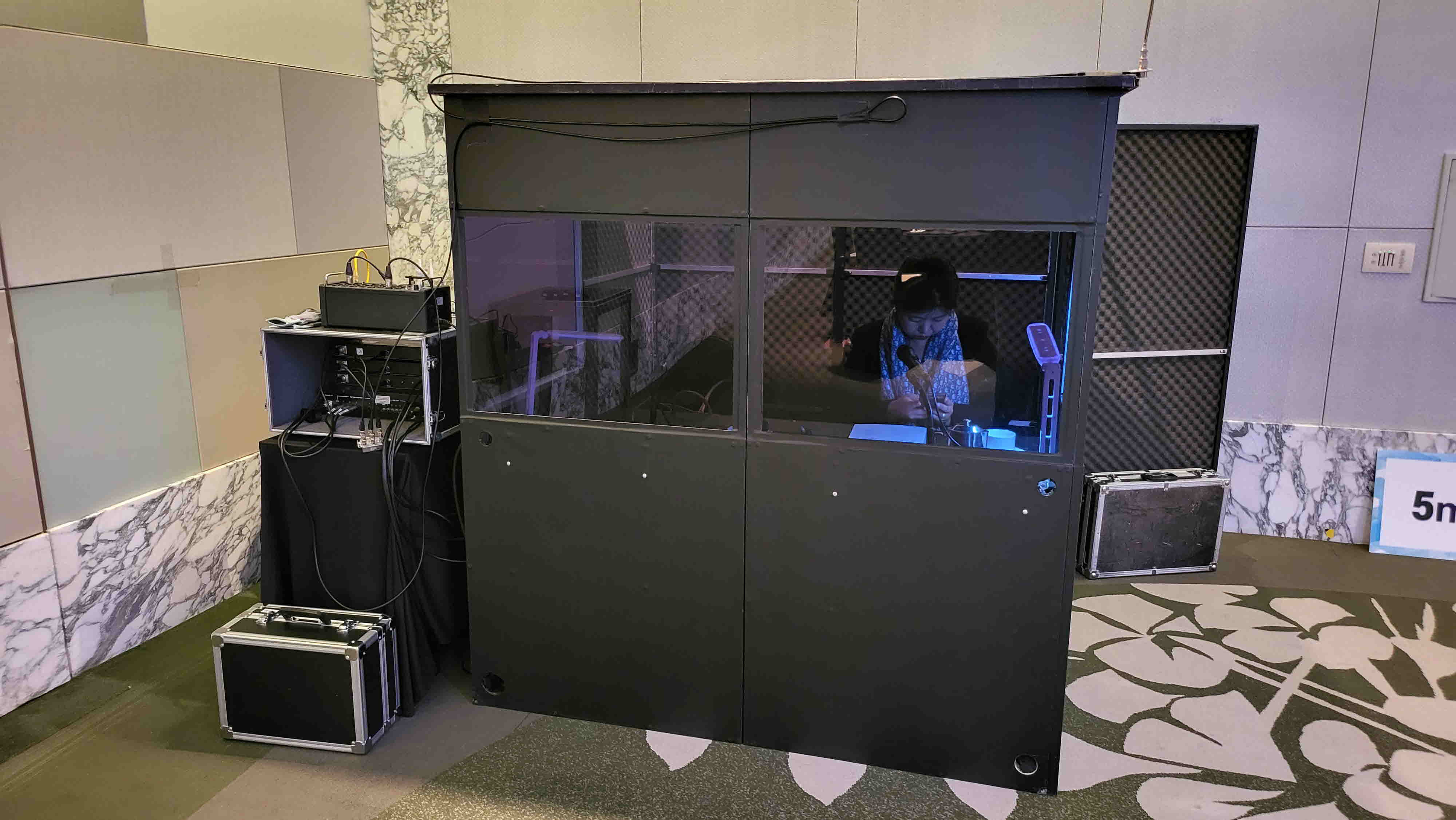
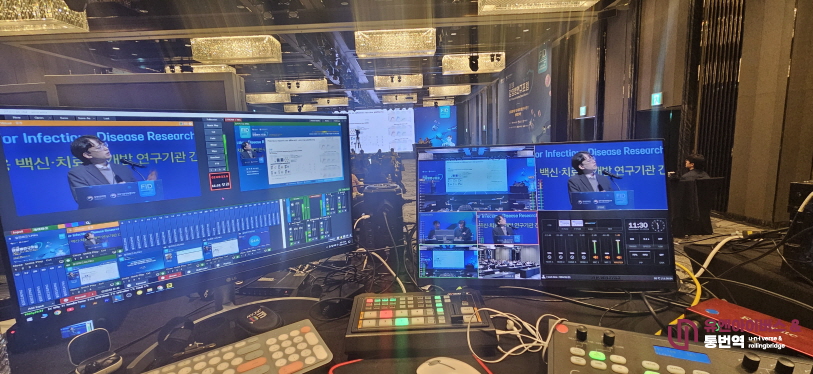
Equipment setup (booth, IR receivers, multi-channel medical conference system)
Global infectious disease forums are categorized as top-tier complexity events due to scientific rigor, statistical density, and public health sensitivity.
9. FAQ
Q1. Why is infectious disease interpretation highly demanding?
Because it integrates microbiology, epidemiology, clinical research, and global health governance within high-stakes contexts.
Q2. How is neutrality maintained?
By conveying risk assessments and policy discussions exactly as expressed without evaluative emphasis.
Q3. Is preparation essential?
Yes. Reviewing abstracts, pathogen terminology, vaccine platforms, and statistical indicators ensures scientific accuracy.
Q4. Is simultaneous interpretation recommended?
Yes. High-density scientific sessions require continuous, structured real-time interpretation.
Q5. How are epidemiological statistics handled?
By distinguishing infection rates, CFR, vaccine efficacy, and modeling parameters with strict numerical precision.
10. Summary
Simultaneous interpretation for an Infectious Disease Research Forum represents one of the most advanced areas of medical and public health interpretation, integrating life sciences, epidemiology, clinical research, and international governance.
It requires:
-
Precise medical terminology
-
Rigorous scientific accuracy
-
Accurate statistical handling
-
Neutral and internationally aligned public health tone
Interpreters serve as global health communication architects, ensuring that discussions on infectious disease response and international cooperation are conveyed with credibility, accuracy, and professional integrity under the UNIVERSE RB QMS framework.
This seminar represents a professional session discussing medical innovation
and global healthcare collaboration.
Healthcare technologies and regulatory environments continue to evolve through
clinical research, medical device innovation, and digital health development.
→ View Healthcare & Medical Innovation Cases
https://universerb.com/en/11_en/280?page=39

About Our Case Archive
The case studies and project insights presented on this website are based on experience supporting international conferences, investor presentations, government forums, executive meetings, technical seminars, and multilingual corporate events.
To protect client confidentiality and comply with the Code of Professional Conduct followed by professional interpreters worldwide, certain project details have been generalized, anonymized, or adapted for educational purposes.
The purpose of these materials is to share practical insights into multilingual communication planning while respecting the confidentiality of every client and every project.
UNIVERSE RB
Designing Communication. Managing Risk. Delivering Understanding.