
Quotation


Performance
Secondary Battery Customer Academy Seminar Simultaneous Interpretation | Battery Technology · Energy Storage · EV Industry – UNIVERSE RB
- 2026.02.21
Advanced Manufacturing & Industrial Systems
Category Description
This category covers interpretation cases related to smart manufacturing,
industrial automation, supply chain management, and ESG-driven production
strategies.
UNIVERSE RB provides integrated services including:
Simultaneous interpretation Consecutive interpretation Industrial technology seminar interpretation Technical document translation QMS-based quality management operations
We support smart manufacturing seminars, industrial technology forums, and manufacturing innovation conferences.
1. Overview
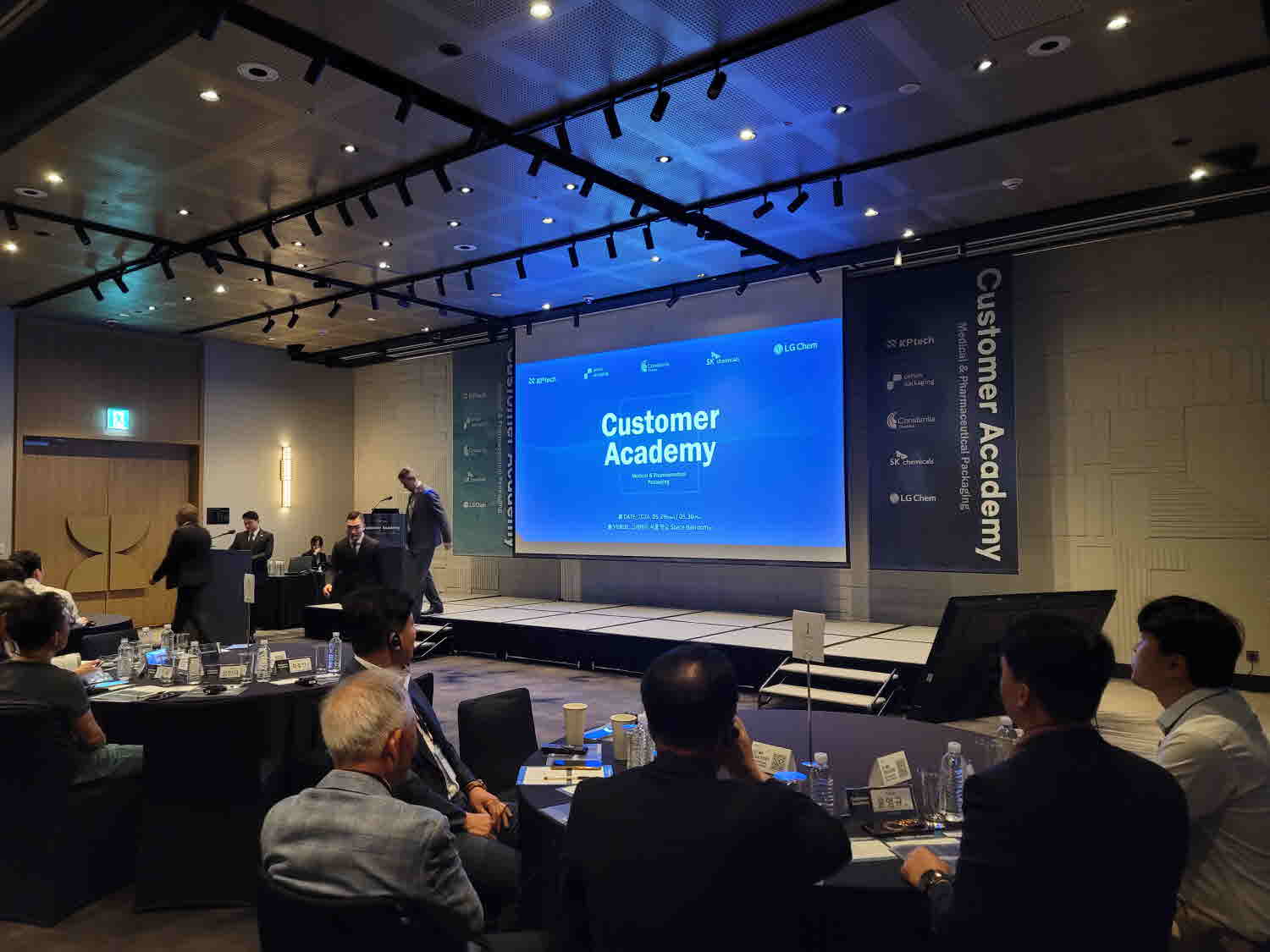
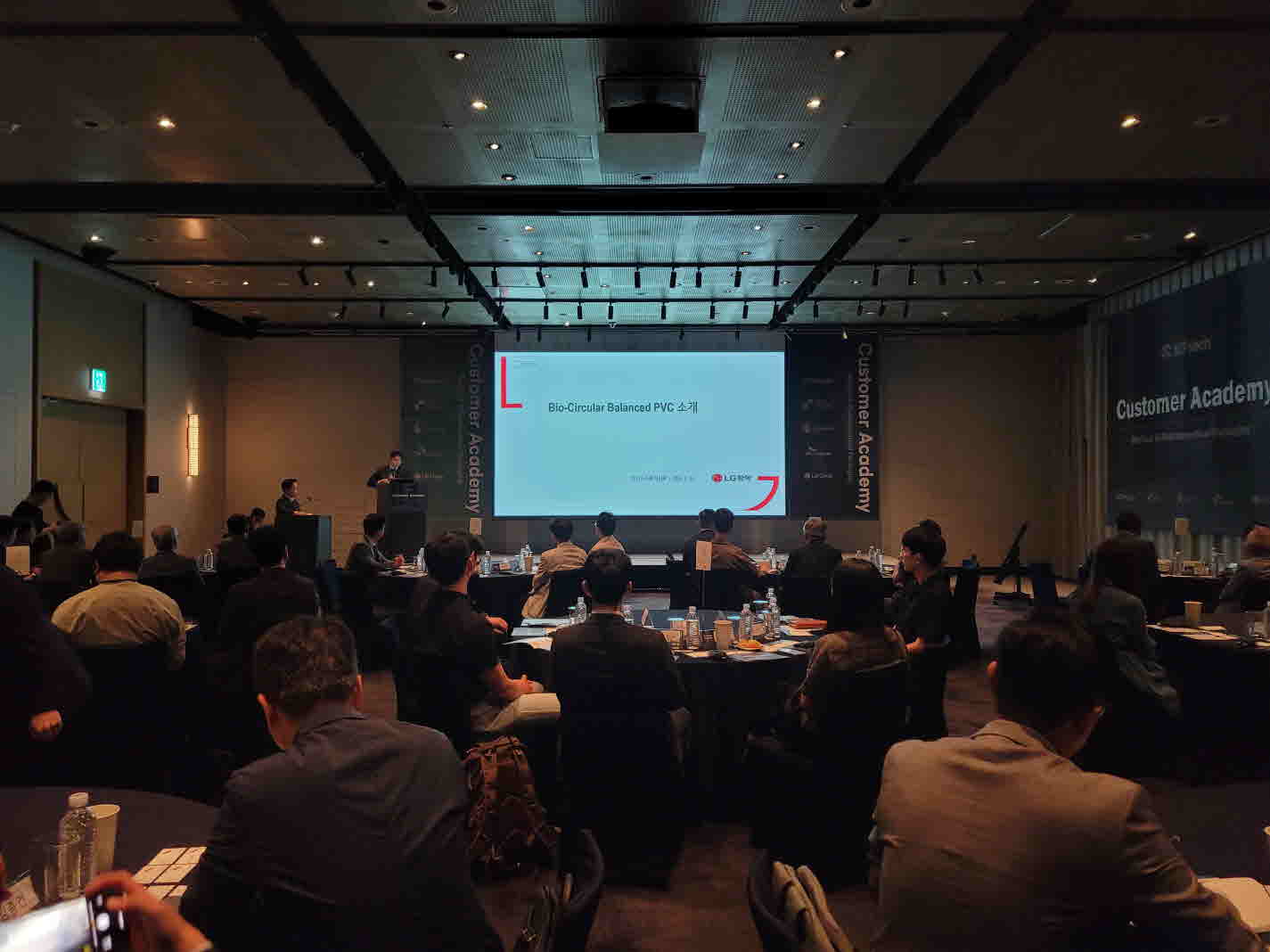
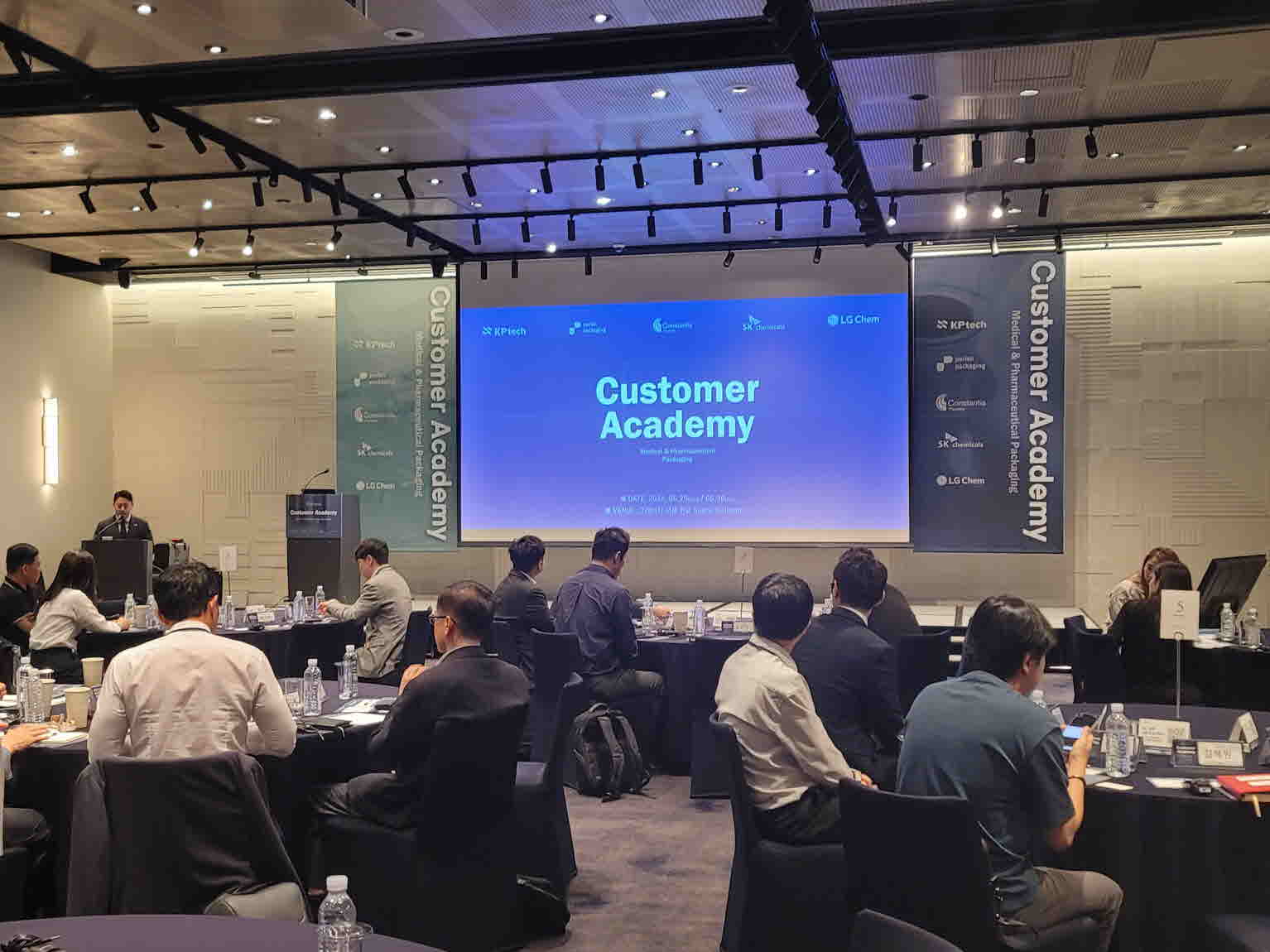
The Secondary Battery Customer Academy Seminar was organized as an industrial technical forum aimed at enhancing understanding of lithium-ion battery technologies and providing structured education on product specifications, manufacturing processes, and quality systems for customer companies.
The seminar brought together battery manufacturers, materials and component suppliers, automotive OEMs, quality and R&D professionals, technical support teams, and global customer representatives. Discussions and training sessions focused on battery structure and operating principles, performance indicators, safety standards, manufacturing technologies, and quality management systems.
UNIVERSE provided simultaneous interpretation and professional translation services, accurately and neutrally conveying highly specialized content integrating battery chemistry, production processes, safety standards, quality management, and global supply chain terminology in a formal international industrial seminar register.
2. Key Topics
Secondary Battery Structure & Technical Fundamentals
-
Cathode, anode, electrolyte, and separator components
-
Cell, module, and pack architecture
-
Charge–discharge principles and electrochemical mechanisms
Performance Indicators & Quality Management
-
Energy density
-
Cycle life
-
Safety testing and certification standards
Manufacturing Processes & Technological Innovation
-
Electrode manufacturing and coating technologies
-
Assembly and formation processes
-
Automation and smart factory applications
Customer Support & Global Supply Chain Strategy
-
Technical support frameworks
-
Quality issue response processes
-
Global OEM collaboration and supply chain management strategies
3. Interpretation & Translation Format
| Category | Content | Mode |
|---|---|---|
| Opening Session | Opening remarks and welcome address | Simultaneous Interpretation |
| Technical Session | Battery structure and technology presentations | Simultaneous Interpretation |
| Quality Session | Performance, safety, and certification standards | Simultaneous Interpretation |
| Process Session | Manufacturing and automation technologies | Simultaneous Interpretation |
| Panel Discussion | Dialogue among technical and quality experts | Simultaneous Interpretation |
| Q&A Session | Participant Q&A | Consecutive / Simultaneous Hybrid |
| Pre/Post Materials | Technical manuals, training materials, quality documentation | Professional Translation |
4. Required Competencies
-
Strong understanding of the secondary battery industry and electrochemical fundamentals
-
Proficiency in cathode, anode, BMS, thermal management, and safety-related terminology
-
Ability to shift register between technical, quality, and commercial presentations
-
Accurate delivery of numerical indicators such as energy density, capacity, and cycle life
-
Formal and neutral register suitable for international industrial training forums
-
Strict confidentiality in handling proprietary technical information
5. UNIVERSE’s Professional Expertise
UNIVERSE has established its professional foundation through its “Interpretation Cost Structure Analysis” content, systematically demonstrating that interpretation quality is the result of structural system design reflecting event complexity and technical depth rather than simple personnel allocation.
Interpretation is completed not only by individuals, but by systems.
Our structured interpretation system design considers:
-
Event scale and language configuration
-
Customer profile and technical complexity
-
Safety and quality sensitivity
-
Equipment configuration and communication stability
For Customer Academy–type seminars, we structurally manage:
-
Terminology consistency in technical domains
-
Precision in performance and quality data
-
Accuracy in safety and certification terminology
-
Balanced delivery tone appropriate for customer education environments
6. Interpretation & Translation Notes
Technical & Electrochemical Terminology Accuracy
Chemical reactions, performance indicators, and process stages must be conveyed with precision, as misinterpretation may impact technical credibility.
Numerical & Performance Data Precision
Energy density, charging speed, and lifecycle metrics must be delivered accurately to avoid misinterpretation in technical evaluation.
Formal Industrial Seminar Register
Marketing-oriented exaggeration is avoided. A professional, explanatory, and objective tone is maintained.
Confidentiality
Product technical data and customer-related information are handled under strict security standards.

7. FAQ
1) What type of interpretation is typically used for industrial technology seminars?
Industrial technology seminars generally use simultaneous interpretation, allowing participants to follow technical presentations in real time without interrupting explanations or training sessions.
This format is widely used in engineering conferences, manufacturing forums, and industrial technology seminars.
2) When is consecutive interpretation used during technical training seminars?
Consecutive interpretation may be used in smaller or interactive sessions such as:
technical workshops
customer training sessions
product demonstrations
engineering consultations
Depending on the structure of the seminar, it may be combined with simultaneous interpretation.
3) What types of events require interpretation services in the battery and energy storage industry?
Professional interpretation services are commonly required for events such as:
battery technology seminars
energy storage industry conferences
manufacturing and quality management training sessions
EV battery supply chain forums
industrial technical workshops
These events involve specialized terminology related to battery chemistry, manufacturing, and safety standards.
4) Why is interpretation important in battery technology seminars?
Battery technology seminars involve complex discussions related to:
electrochemical processes
battery materials and cell structures
energy density and performance metrics
safety standards and certification systems
Accurate interpretation ensures that engineers, manufacturers, and global customers clearly understand product specifications and technical concepts.
5) What challenges do interpreters face in battery technology and manufacturing seminars?
Interpreters in battery technology seminars must manage challenges such as:
specialized electrochemical terminology
complex manufacturing process descriptions
numerical data related to energy capacity and performance
technical explanations of safety and quality standards
Professional interpreters must deliver accurate and neutral communication in real time.
6) What documents are commonly translated for battery industry seminars?
Typical materials requiring translation include:
technical manuals and engineering documentation
product specifications and performance reports
training materials and presentation slides
quality management documents
contracts and supply chain agreements
Consistent terminology is essential for accurate understanding.
7) Why is accuracy important when interpreting battery performance and safety data?
Battery performance indicators such as energy density, cycle life, and safety test results are critical for technical evaluation and product reliability.
Inaccurate interpretation of performance metrics or safety standards may lead to technical misunderstandings or operational risks.
8) How does UNIVERSE RB ensure interpretation quality for industrial technology seminars?
UNIVERSE RB operates under a structured interpretation quality management framework that includes:
pre-event terminology research and technical preparation
interpreter briefing and coordination
professional interpretation equipment and acoustic systems
real-time monitoring during events
post-event review and feedback
This structured approach supports stable and reliable interpretation for international industrial seminars and technical training programs.
8. Summary
The Secondary Battery Customer Academy Seminar interpretation and translation required expertise in battery technology, manufacturing processes, quality systems, and global customer collaboration.
Accurate use of battery-related terminology, deep understanding of performance and safety standards, and neutral, reliable delivery were essential.
Through a structurally designed interpretation system, UNIVERSE effectively connected industrial technical education and global customer communication with precision and stability.
This
case represents one of the seminars discussing manufacturing innovation and
evolving industrial production systems.
Manufacturing industries continue to develop through smart factories,
data-driven operations, and automation technologies.
→ View Advanced Manufacturing & Industrial Systems Cases
https://universerb.com/en/11_en/91?page=39
https://universerb.com/en/11_en/338?page=39
The case archive on this
website is based on interpretation and global communication experiences
conducted in international seminars, policy forums, corporate presentations,
and industry conferences.
To comply with client confidentiality and the Code of Professional Conduct,
some event details are described in a generalized manner.