
Quotation


Performance
Infectious Disease Research Seminar Simultaneous Interpretation | Public Health and Infectious Disease Research Forum – UNIVERSE
- 2026.02.24
Healthcare & Medical Innovation
Category Description
This category covers interpretation cases related to clinical trials, medical
devices, digital health technologies, and global healthcare cooperation.
UNIVERSE RB provides integrated services including:
Simultaneous interpretation Consecutive interpretation Medical seminar interpretation Medical document translation QMS-based quality management operationsWe support medical seminars, clinical research forums, and global healthcare cooperation conferences with professional interpretation services.
Why Is Interpretation for an Infectious Disease Research Seminar a High-Complexity Domain?
An Infectious Disease Research Seminar represents a highly complex medical–scientific and policy-integrated communication environment combining virology, epidemiology, immunology, pathogen genomic analysis, vaccine platform technologies (mRNA, viral vector, recombinant protein), clinical trial design, public health policy, and global regulatory systems including WHO frameworks and the International Health Regulations (IHR).
In particular, the following elements are discussed simultaneously:
-
Pathogen genetic mutation analysis
-
Reproduction number (R₀) and transmission modeling
-
Vaccine immune response mechanisms
-
Phase I, II, and III clinical trial design
-
Therapeutic efficacy and safety data
-
International health regulatory and approval procedures
-
Pandemic response scenarios and public health strategies
In this environment, interpretation is not merely medical terminology delivery.
It requires strategic communication design integrating scientific data interpretation, statistical modeling structures, and clinical regulatory context.
AI simultaneous interpretation was applied to structured research presentations and statistical data explanation segments (approximately 60%), while clinical protocol negotiations, regulatory approval discussions, and research coordination sessions (approximately 40%) were conducted by professional human interpreters.
UNIVERSE structurally designs integrated AI + Human interpretation systems for infectious disease research forums.

1. Overview
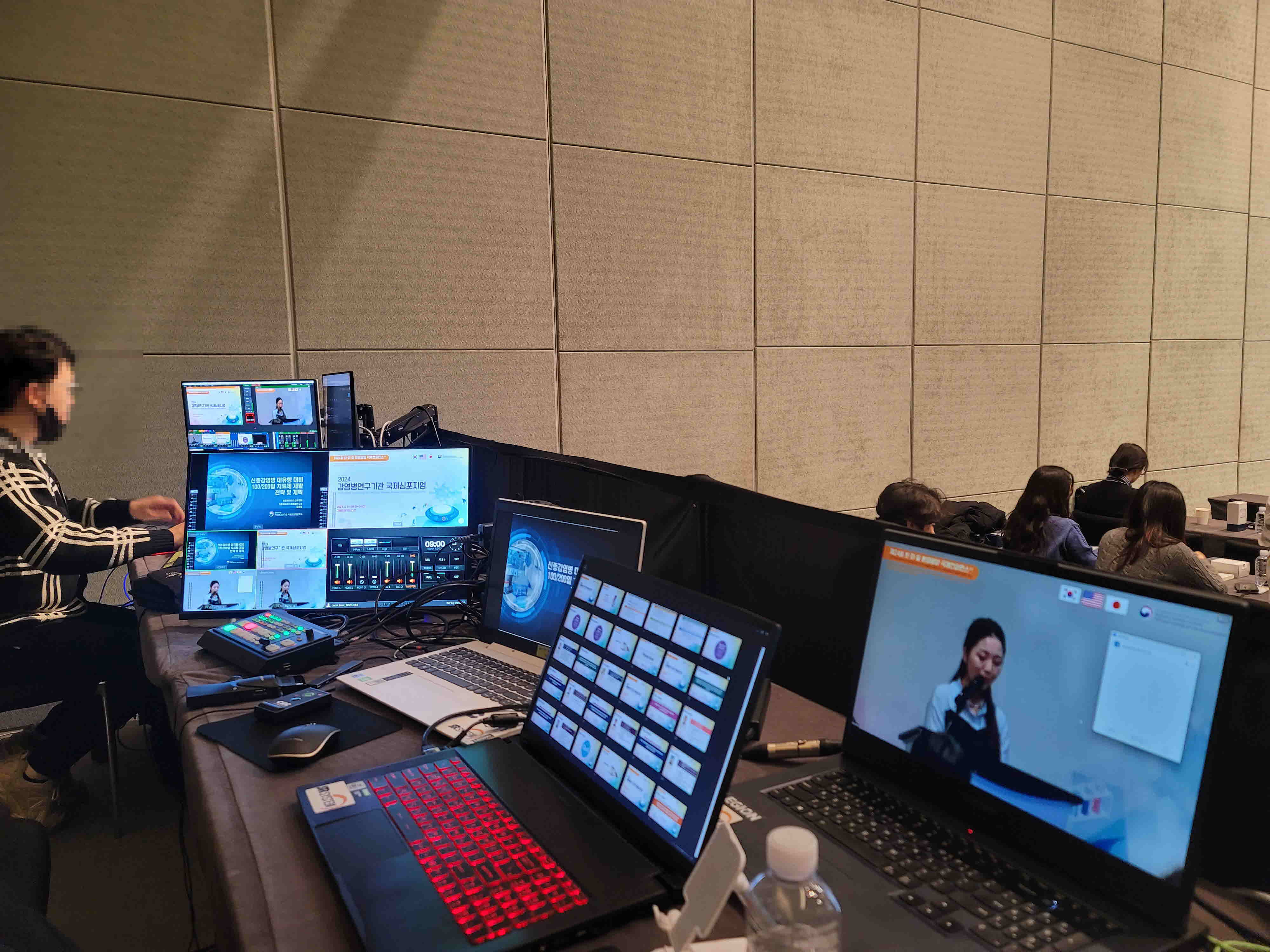
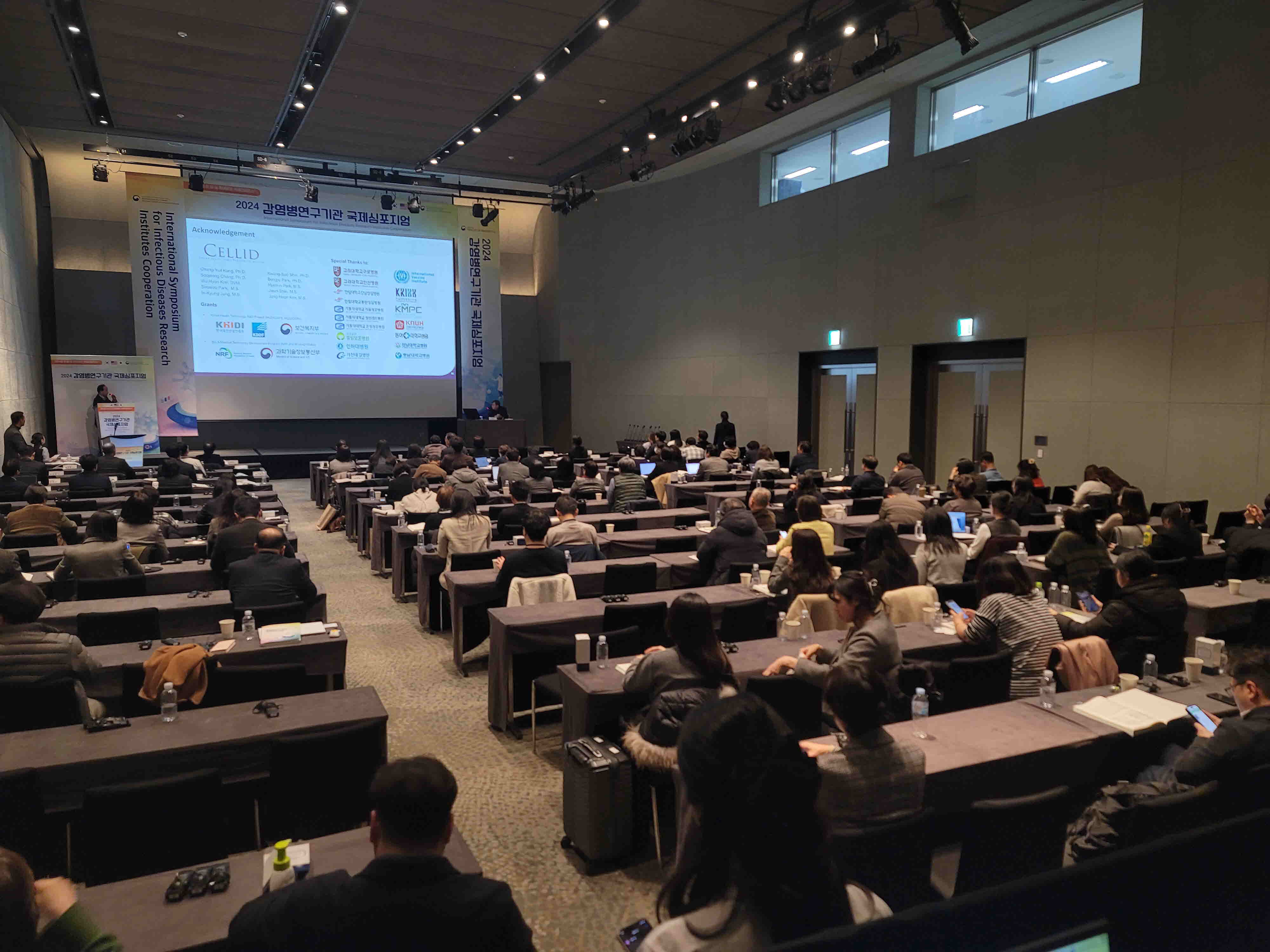
This seminar was convened as an international health and medical science forum to share strategies for emerging and re-emerging infectious disease response, as well as vaccine and therapeutic research outcomes.
Participants included infectious disease specialists, research institute directors, pharmaceutical and biotech companies, public health authorities, international health organizations, and university research teams.
The forum addressed pathogen analysis findings, vaccine development progress, clinical trial data, public health response models, and international cooperation frameworks.
Event Operational Metrics
Total attendees: Approximately 220
Participating institutions: 48
International representation: 9 countries
Language combination: Korean–English
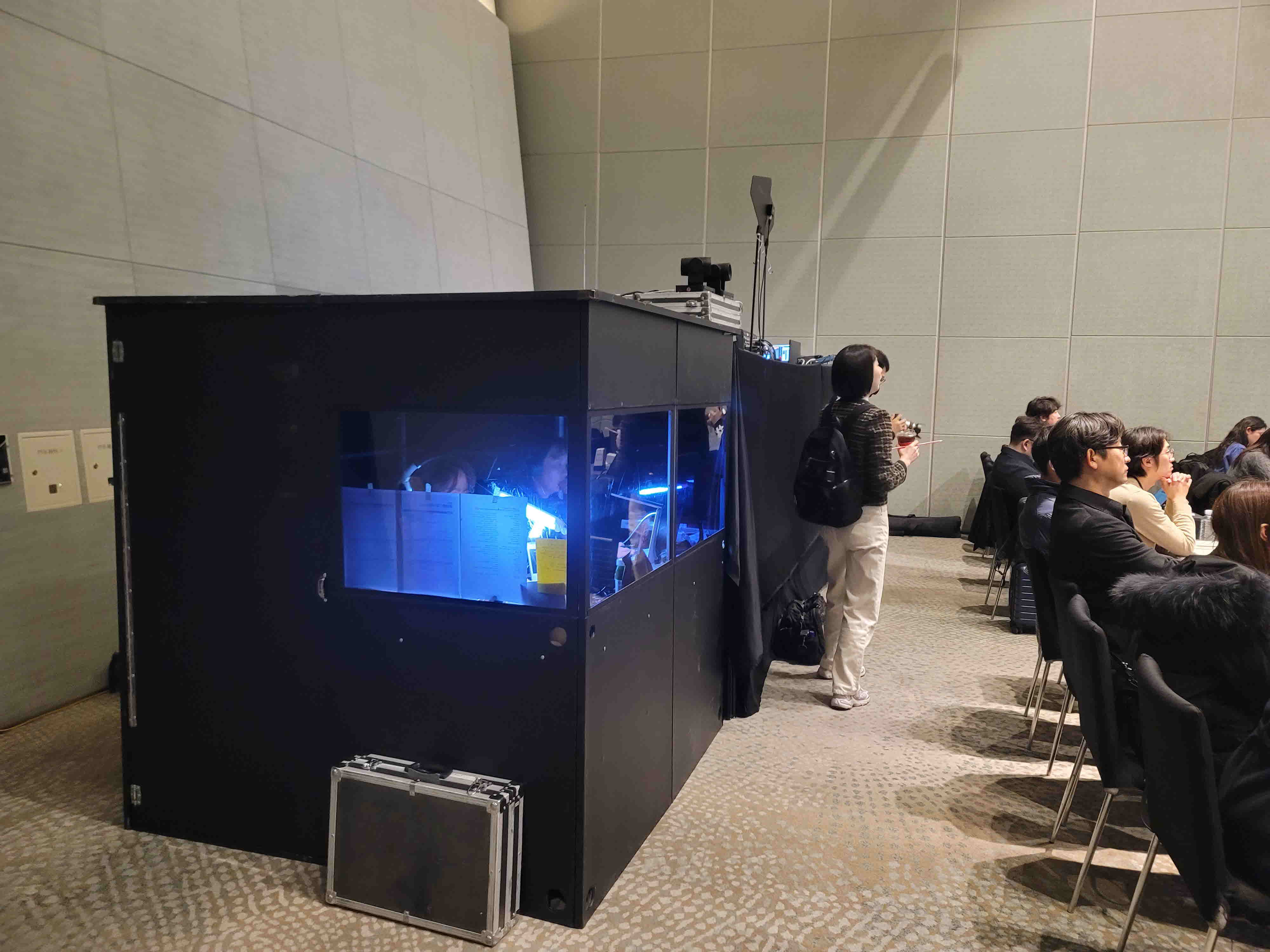
Simultaneous interpretation team: 2 interpreters (1 team)
Total interpretation duration: 5 hours 00 minutes
Basic research presentations: 120 minutes
Vaccine & therapeutics sessions: 130 minutes
Public health policy discussions: 90 minutes
Live Q&A: 42 cases
Pre-analysis materials reviewed: 210 pages
Medical and epidemiological terminology database: 780+ specialized terms
Pre-event rehearsals: 2
UNIVERSE integrated AI interpretation strategy design, simultaneous interpretation delivery, research paper and clinical document translation, interpretation system engineering, and QMS-based quality management.
2. Key Discussion Areas
① Virology & Pathogen Genomics
Viral structural analysis
Genetic mutation tracking
Pathogen evolution models
Genomic sequencing data
② Epidemiology & Modeling
R₀ analysis
Transmission spread modeling
Herd immunity indicators
Statistical risk prediction models
③ Vaccine & Therapeutics Development
mRNA and viral vector platforms
Immune response assessment
Clinical trial protocol design
Adverse event and safety evaluation
④ Public Health Policy & Global Coordination
WHO guidance frameworks
International Health Regulations (IHR)
Quarantine and containment strategies
Pandemic response protocols
⑤ Regulatory & Clinical Compliance
Clinical approval procedures
Institutional Review Board (IRB) standards
Data transparency requirements
International pharmaceutical regulatory alignment
(Three-pillar structure: Science · Clinical · Policy)
3. QMS-Based Interpretation Quality Management System
UNIVERSE applies a structured 10-step internal QMS protocol aligned with ISO principles:
-
Comprehensive pre-analysis of medical and clinical materials
-
Specialized terminology database development and alignment (780+ terms)
-
Dual verification of statistical and clinical indicators
-
Interpreter–research team pre-briefing
-
Rehearsal-based voice and latency testing
-
Real-time monitoring checklist for numerical data and units
-
Regulatory and ethics-sensitive statement supervision protocol
-
Dual-network and equipment backup systems
-
Post-event transcript review and error analysis reporting
-
Client feedback integration and risk reassessment
Core Indicators
Pre-analysis of research materials: 22+ hours
Terminology alignment accuracy: 99%+
Average audio latency: 0.8 seconds
Clinical data transmission errors: 0
Medical concept distortion cases: 0
UNIVERSE interpreters function not merely as language facilitators, but as Infectious Disease Communication Architects.
4. Cost Structuring Framework (Quantitative Factors)
Medical and epidemiological terminology density: 750+ specialized terms
Clinical negotiation sessions included
Pre-analysis materials: 200+ pages
Live Q&A sessions: 40+
Rehearsals: 2
AI subtitle support system applied
Full 10-step QMS quality management protocol applied
Interpretation cost is not determined by hourly rates, but by the structural design of a public health risk-managed communication system.
5. AI vs Human Application Ratio
| Segment | AI Utilization | Professional Interpretation Necessity |
|---|---|---|
| Structured research presentations | 60% support | Mandatory supervision |
| Statistical & graphical explanation | 58% support | Essential |
| Clinical protocol negotiations | ≤20% | 100% required |
| Regulatory & policy coordination | ≤15% | 100% required |
AI enhances presentation efficiency, while clinical negotiations and regulatory coordination are conducted entirely by professional interpreters.
6. Translation Scope
Total translation volume: Approximately 65,000 words
Research paper summaries: 6
Clinical trial protocols: 4
Public health policy documents: 3
Cross-review process: 2 stages
On-time delivery rate: 100%
Translation in this project was not simple linguistic conversion, but structural alignment of global infectious disease research frameworks.
Conclusion
The Infectious Disease Research Seminar represented a high-complexity scientific communication environment involving 220 participants, 48 institutions, and more than 780 specialized medical and epidemiological terms.
AI supported approximately 60% of structured presentation segments, while clinical protocol negotiations and regulatory coordination were conducted 100% by professional interpreters.
UNIVERSE designs, operates, and verifies interpretation and translation through a QMS-based, data-driven global health and medical communication infrastructure system.
This
seminar represents a professional session discussing medical innovation and
global healthcare collaboration.
Healthcare technologies and regulatory environments continue to evolve through
clinical research, medical device innovation, and digital health development.
→ Explore Medical Seminar Interpretation Cases
https://universerb.com/en/11_en/202?page=39
https://universerb.com/en/11_en/203?page=39
The case archive on this
website is based on interpretation and global communication experiences
conducted in international seminars, policy forums, corporate presentations,
and industry conferences.
To comply with client confidentiality and the Code of Professional Conduct,
some event details are described in a generalized manner.