
Quotation


Performance
Water Industry Support Seminar Simultaneous Interpretation | Water Industry and Environmental Technology Forum – UNIVERSE
- 2026.02.24
Advanced Manufacturing & Industrial Systems
Category Description
This category covers interpretation cases related to smart manufacturing,
industrial automation, supply chain management, and ESG-driven production
strategies.
UNIVERSE RB provides integrated services including:
Simultaneous interpretation Consecutive interpretation Industrial technology seminar interpretation Technical document translation QMS-based quality management operationsWe support smart manufacturing seminars, industrial technology forums, and manufacturing innovation conferences.
Executive Summary
The Water Industry Support Seminar represented a complex policy and technical communication environment integrating water treatment technologies, smart water infrastructure, public procurement policies, overseas expansion strategies, and international water cooperation frameworks.
The seminar hosted 230 participants and involved more than 750 technical terms related to water industry, environmental systems, and public policy. Technical presentations, public support programs, and international cooperation structures were discussed simultaneously.
AI-assisted interpretation supported 60% of structured presentation segments, while policy consultations and overseas expansion strategy discussions were handled entirely by professional interpreters.
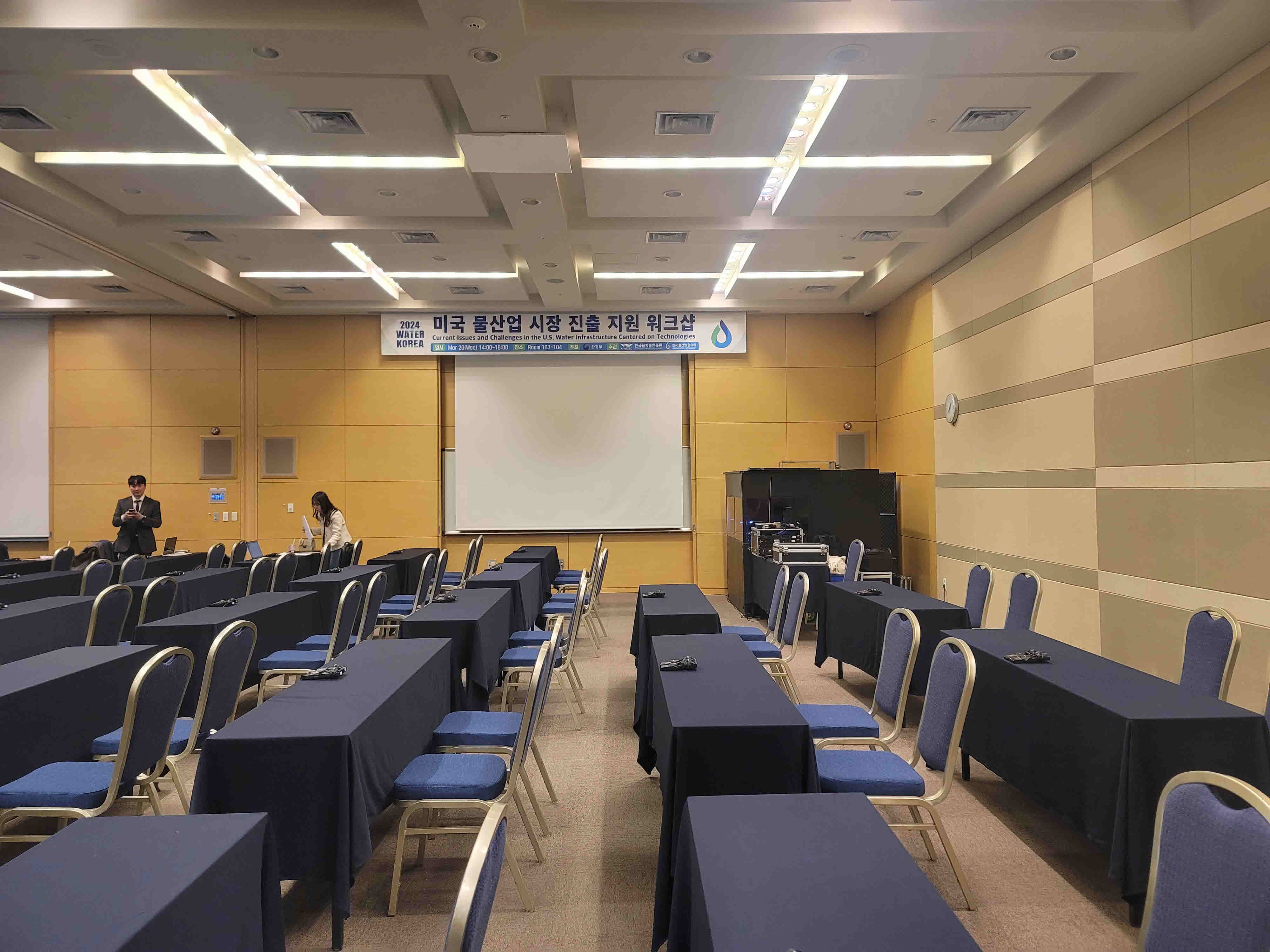
Key Characteristics of the Seminar
-
Total Participants: 230
-
Participating Institutions and Companies: 52
-
Water Industry & Environmental Technical Terms: 750+
-
ISO-based 9-Step QMS Quality Management Applied
-
Policy Interpretation Errors: 0
-
Technical Numerical Mistranslation Cases: 0
Where Does the Complexity of Water Industry Interpretation Arise?
The seminar addressed multiple interconnected components simultaneously:
-
Water and wastewater treatment technologies
-
Smart water management systems
-
Leakage detection and water quality monitoring technologies
-
Public procurement and support policies
-
Overseas ODA project structures
-
Korea Water Resources Corporation project models
-
World Bank water project frameworks
-
Asian Development Bank infrastructure financing systems
-
Public–Private Partnership (PPP) structures
✔ Integrated understanding of technology, policy, and financing frameworks was required.
Event Operational Overview
-
Language Combination: Korean–English
-
Simultaneous Interpretation Team: 2 interpreters
-
Total Interpretation Time: 5 hours
-
Pre-analysis Materials: 210 pages
-
Live Q&A Sessions: 46
Major Discussion Areas
Water Treatment & Smart Water Technologies
-
Advanced purification processes
-
Wastewater reuse systems
-
IoT-based water quality monitoring
Public Support Policies & Procurement Structures
-
Water industry development policies
-
Public tender and support programs
-
Technology certification procedures
Overseas Expansion & International Cooperation
-
ODA water resource projects
-
Multilateral development bank projects
-
PPP and EPC contract structures
Environmental Regulation & Sustainability
-
Low-carbon water treatment technologies
-
ESG-based infrastructure investment
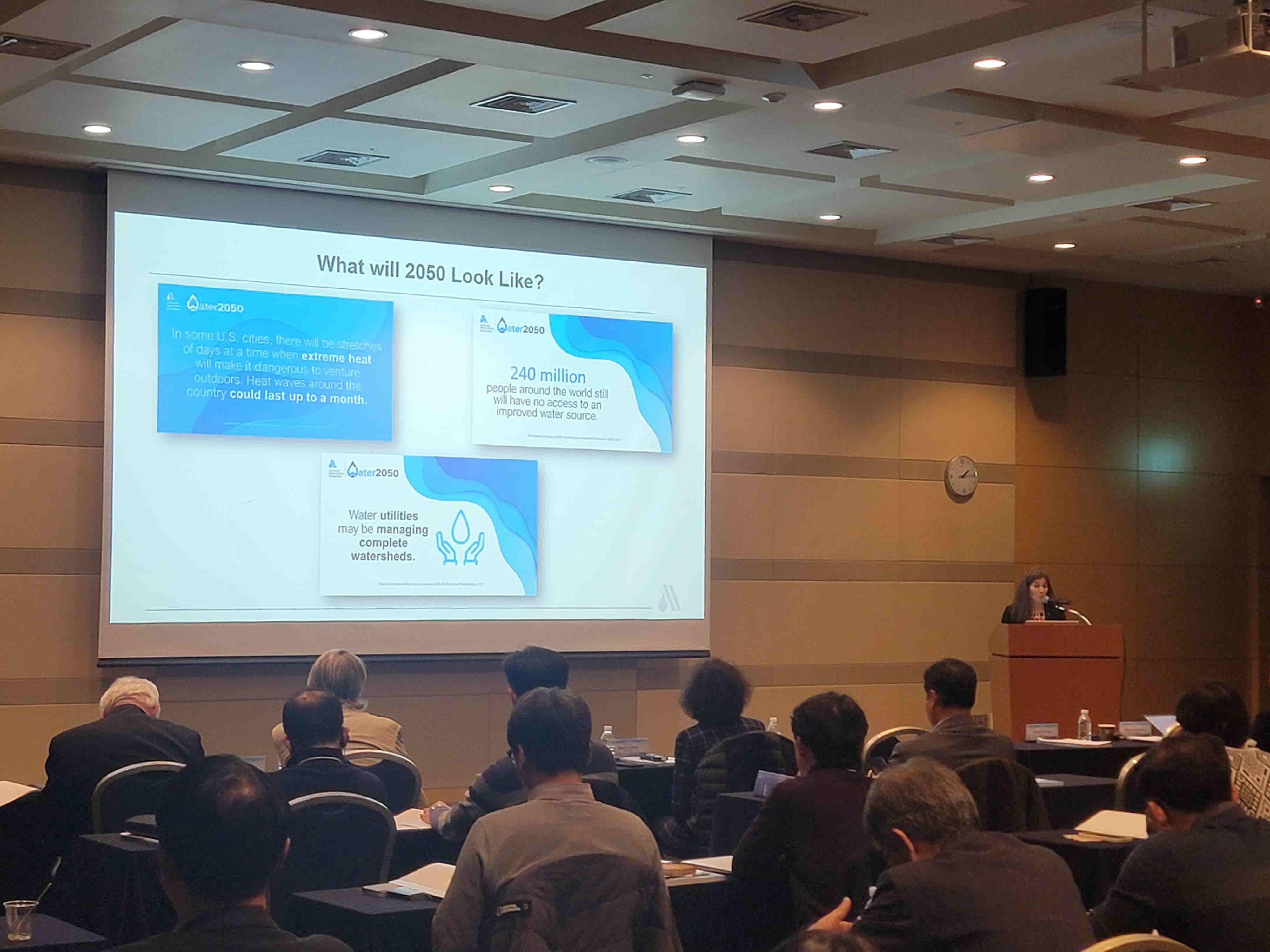
Scope of AI Interpretation Application
| Segment | AI Support | Professional Interpreter Requirement |
|---|---|---|
| Structured technical presentations | 60% assisted | Mandatory supervision |
| Policy explanations | 58% assisted | Mandatory |
| Financial & contractual consultations | ≤20% | 100% required |
| Overseas expansion strategy coordination | ≤15% | 100% required |
AI enhanced efficiency during structured presentations, while policy, financial, and contractual discussions were fully managed by professional interpreters.
QMS-Based Interpretation Quality Management System
An ISO-based internal 9-step QMS protocol was applied:
-
Pre-analysis of technical and policy materials
-
Terminology database construction (750+ terms)
-
Dual verification of numerical and financial data
-
Interpreter pre-briefing
-
Audio performance testing
-
Real-time numerical monitoring
-
Sensitive policy statement review
-
Dual network and equipment backup
-
Post-event risk reassessment
Key Performance Indicators
-
Pre-analysis Time: 20+ hours
-
Terminology Alignment Accuracy: 99%+
-
Policy Interpretation Errors: 0
-
Technical Numerical Mistranslations: 0
Interpreters performed not merely as linguistic transmitters but as Water Industry Communication Architects.
Translation Scope
-
Total Word Count: 61,000 words
-
Policy Documents: 5
-
Technical White Papers: 4
-
Overseas Project Proposals: 3
-
Two-stage cross-review
-
On-time delivery rate: 100%
Translation was conducted not as simple language conversion but as part of a structured global water industry compliance and alignment process.
Cost Determination Criteria
Interpretation fees reflect water industry risk management communication design factors rather than simple hourly rates.
Key determinants:
-
High-density technical terminology (700+ terms)
-
Inclusion of policy and financial consultation sessions
-
200+ pages of material analysis
-
40+ live Q&A exchanges
-
AI captioning support system
-
Application of 9-step QMS protocol
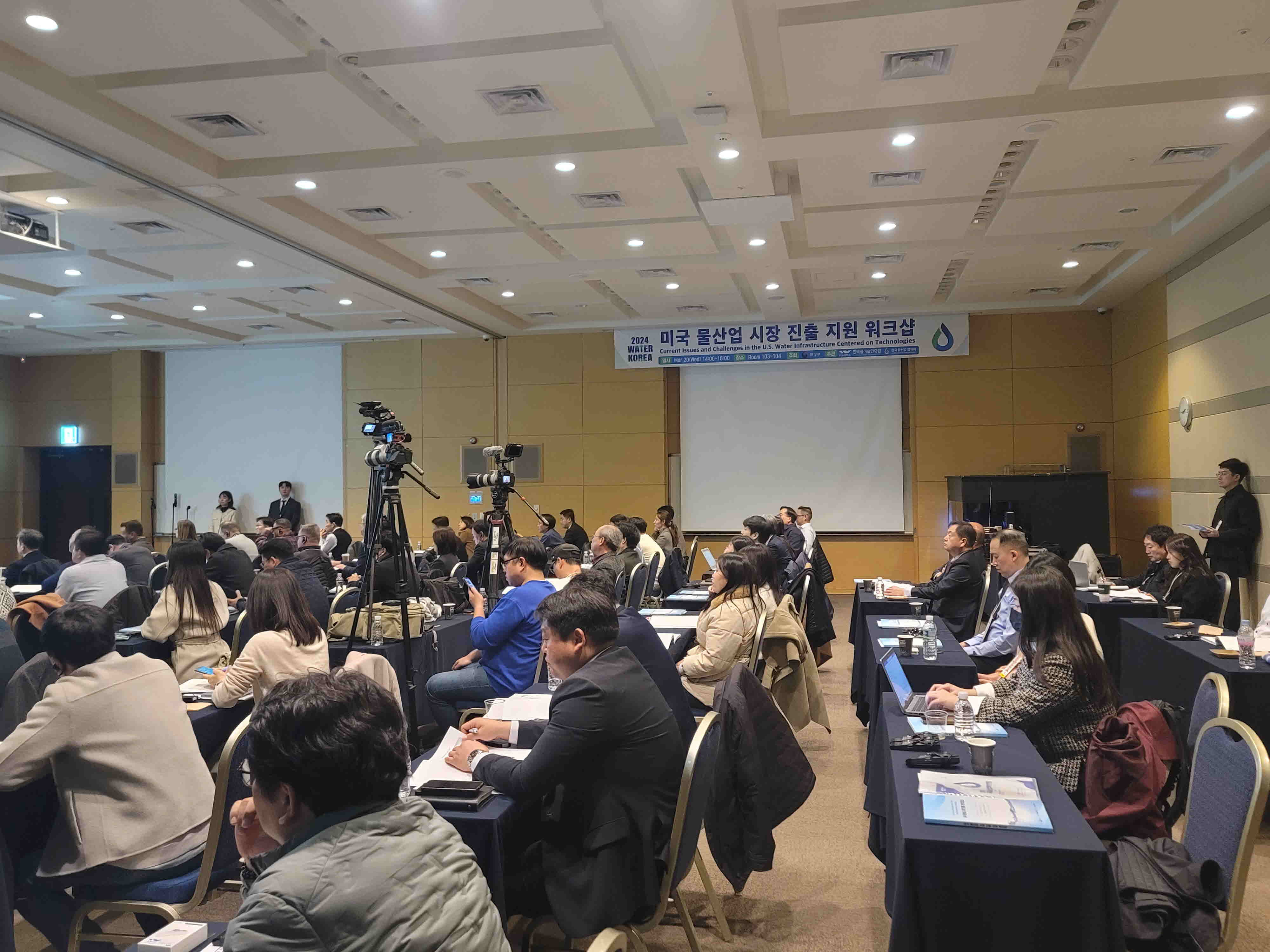
Conclusion
The Water Industry Support Seminar involved over 750 technical terms within a complex policy, technical, and financial communication environment.
AI supported approximately 60% of structured presentation segments, while policy, financial, and overseas expansion strategy discussions were fully handled by professional interpreters.
UNIVERSE designs, operates, and verifies interpretation and translation services under a structured QMS framework as a Global Water Industry Communication Infrastructure System.
This case represents one of the seminars discussing manufacturing innovation and evolving industrial production systems.
Manufacturing industries continue to develop through smart factories, data-driven operations, and automation technologies.
→ Explore Smart Manufacturing Seminar Cases
https://universerb.com/en/11_en/104?page=39
https://universerb.com/en/11_en/345?page=39
The case archive on this
website is based on interpretation and global communication experiences
conducted in international seminars, policy forums, corporate presentations,
and industry conferences.
To comply with client confidentiality and the Code of Professional Conduct,
some event details are described in a generalized manner.