
Quotation


Performance
Multilateral Diplomatic Conference Simultaneous Interpretation | International Forum · Diplomatic Dialogue · Global Governance – UNIVERSE RB
- 2025.07.31
Public Policy & Global Governance
Category
Description
This category covers interpretation cases related to international policy
forums, public cooperation initiatives, ODA programs, and global governance
topics including environmental and climate policy.
UNIVERSE RB provides integrated services including:
Simultaneous interpretation Consecutive interpretation International conference interpretation Policy document translation QMS-based quality management operations
We support international policy forums, government cooperation meetings, and global governance conferences with stable interpretation environments.
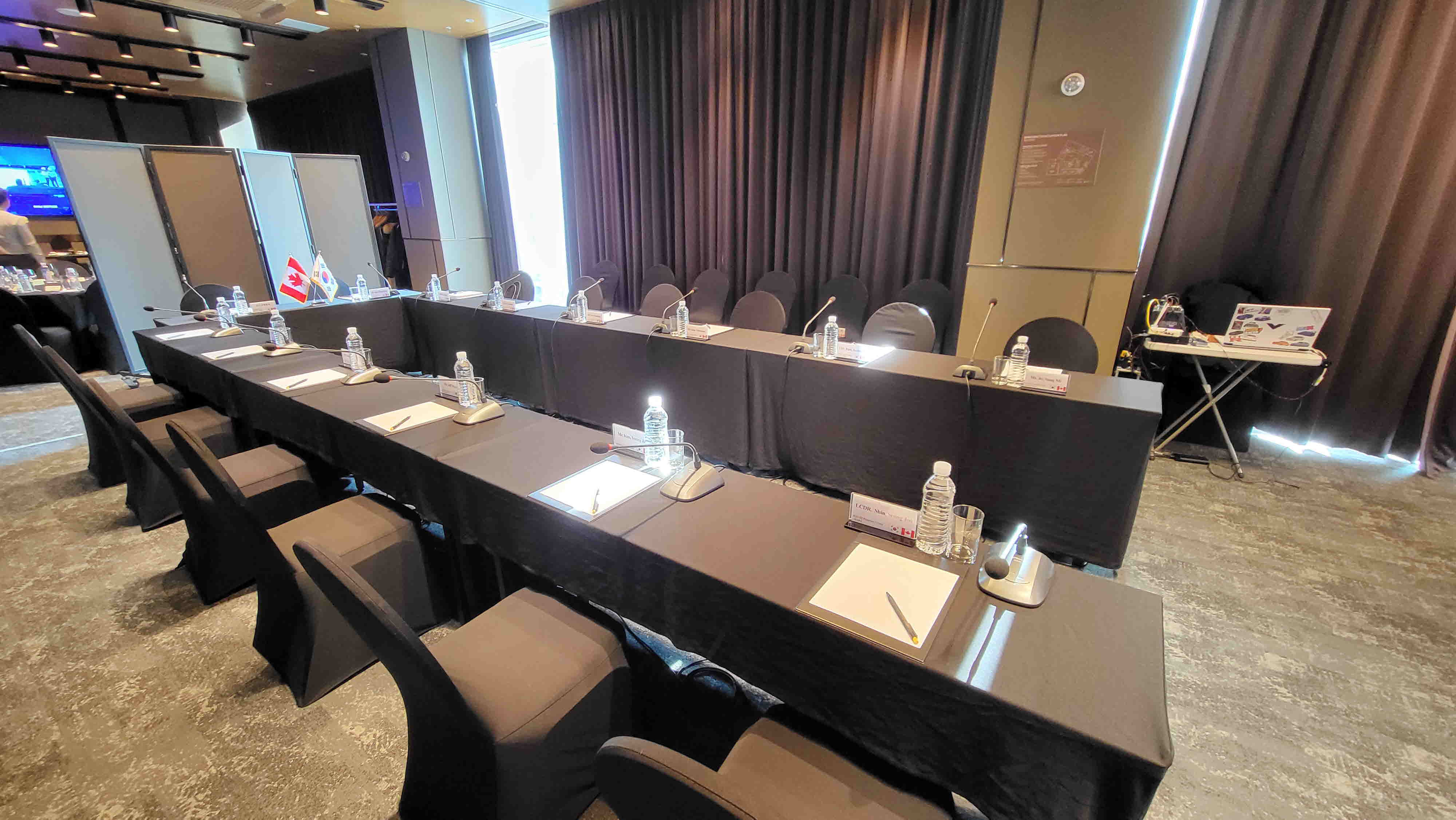
Key Summary
High-level diplomatic interpretation across multilateral summits, UN conferences, and treaty ceremonies.
Average 200–500 delegates per forum, with 700+ diplomatic, legal, and policy-related terminologies applied.
AI-assisted terminology alignment supported approximately 55% of structured documentation, while negotiations and plenary sessions were delivered 100% by professional interpreters.
QMS 9-Step Quality Management System applied.
Zero errors recorded in joint statements, treaty language, or protocol-sensitive titles.
Executive Summary
I have provided simultaneous (SI) and consecutive (CI) interpretation between Korean and English at high-level multilateral diplomatic conferences, including sessions under the United Nations, Organisation for Economic Co-operation and Development, Asia-Pacific Economic Cooperation, and Association of Southeast Asian Nations.
These engagements involved intergovernmental negotiations, diplomatic consultations, treaty signing ceremonies, and global policy forums. In such environments, precise delivery of diplomatic nuance, political sensitivity, and cultural implication is essential to maintaining mutual understanding among delegations.
UNIVERSE RB applies an AI + Human integrated interpretation framework to ensure linguistic precision, institutional neutrality, and strict adherence to diplomatic protocol.
Why Is This a High-Difficulty Domain?
-
Multilateral negotiation language
-
Treaty drafting terminology
-
Joint communiqué structuring
-
Politically sensitive and contentious topics
-
Cultural nuance across diverse delegations
Diplomatic conference interpretation is fundamentally about neutrality, precision, and protocol awareness.
Major Engagement Areas
① Multilateral Policy Consultations
-
Intergovernmental working sessions
-
Draft alignment discussions
-
Position statement coordination
② Joint Communiqué & Treaty Sessions
-
Real-time interpretation during drafting
-
Formal announcement of joint statements
-
Treaty and memorandum of understanding (MOU) ceremonies
③ High-Level Diplomatic Dialogue
-
Ambassadorial consultations
-
Ministerial roundtables
-
Senior official side meetings
④ Informal & Breakout Sessions
-
Live Q&A exchanges
-
Closed-door consultations
-
Informal diplomatic roundtables
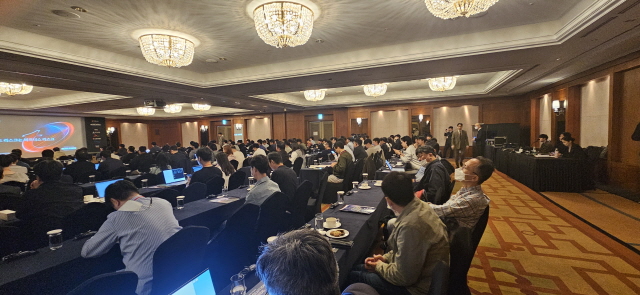
Modes of Interpretation
| Mode | Application |
|---|---|
| Simultaneous Interpretation (SI) | Plenary sessions, high-level negotiations |
| Consecutive Interpretation (CI) | Bilateral meetings, treaty signings |
| Booth Operation | Team-based multilingual conference setup |
| Ad hoc Interpretation | Side meetings and informal discussions |
AI + Human Integrated Interpretation Design
| Category | Application Area | Method |
|---|---|---|
| AI Support | Terminology, document alignment | Real-time glossary consistency check |
| Professional Interpreter | Negotiation & plenary sessions | 100% live diplomatic interpretation |
| Pre-Event Preparation | Diplomatic documents & policy papers | Terminology mapping & protocol review |
| Live Monitoring | Joint statement sessions | Neutrality & accuracy validation |
AI enhances consistency, while human interpreters safeguard diplomatic nuance and institutional tone.
Core Competencies
-
In-depth understanding of multilateral diplomacy and global governance
-
Mastery of treaty language and diplomatic register
-
Strict neutrality in politically sensitive contexts
-
Cultural and linguistic sensitivity across diverse delegations
-
Ability to interpret under high-pressure negotiation environments

QMS 9-Step Quality Management System
-
Diplomatic framework analysis
-
Treaty and communiqué terminology consolidation
-
Title and protocol verification
-
Contextual political sensitivity review
-
Interpretation strategy design
-
Technical rehearsal and booth testing
-
Real-time negotiation monitoring
-
Consistency validation of official language
-
Post-event review
The benchmark for multilateral diplomatic interpretation is:
Neutrality · Precision · Institutional Credibility
Selected Interpretation Contexts
-
UN-affiliated multilateral conferences
-
OECD and APEC policy forums
-
ASEAN intergovernmental meetings
-
International treaty signing ceremonies
-
Global diplomatic summits and side events
FAQ
Q1. What makes diplomatic interpretation different from standard conference interpretation?
A. It requires strict neutrality, protocol awareness, and precise handling of politically sensitive language.
Q2. How are joint statements managed during interpretation?
A. Through pre-event terminology mapping and real-time consistency monitoring to prevent misinterpretation of agreed wording.
Q3. Is cultural nuance important in multilateral settings?
A. Yes. Subtle diplomatic phrasing and culturally sensitive expressions must be rendered accurately without distortion.
Q4. Can interpretation be provided in multilingual environments?
A. Yes. Multilingual booth operations and coordinated interpretation teams are supported.
In large-scale international seminars, stable multilingual communication is achieved when interpretation systems, technical equipment, and interpreter operations are designed as an integrated architecture.
Conclusion
Interpreter experience in multilateral diplomatic conferences demands mastery of negotiation language, treaty terminology, and institutional protocol.
Through an AI + Human integrated system and QMS 9-Step Quality Management framework, UNIVERSE ensures that diplomatic dialogue, treaty commitments, and joint statements are conveyed with accuracy, neutrality, and professional integrity across international platforms.
This
case represents one of the sessions conducted as part of international policy
cooperation and global governance discussions.
Policy environments and international cooperation frameworks continue to evolve
in response to economic, environmental, and development policy changes.
→ Explore International Policy Forum Cases
https://universerb.com/en/11_en/360?page=39
https://universerb.com/en/11_en/361?page=39
The case archive on this
website is based on interpretation and global communication experiences
conducted in international seminars, policy forums, corporate presentations,
and industry conferences.
To comply with client confidentiality and the Code of Professional Conduct,
some event details are described in a generalized manner.