
Quotation


Performance
Renewable Energy & Smart Infrastructure Technology Seminar Simultaneous Interpretation | Renewable Energy Systems · Smart Infrastructure Architecture · Digital Technology Integration Forum – UNIVERSE RB
- 2025.08.04
This energy conference explores renewable energy, carbon neutrality, and next-generation power systems to support the global transition toward a sustainable energy future.
Key interpretation topics include solar and wind power integration, grid integration, energy storage systems (ESS), hydrogen technologies, Net Zero strategies, smart grids, power grid optimization, and energy policy and market developments.
Because energy discussions combine advanced engineering, public policy, and market dynamics, professional interpretation is essential to accurately communicate technical concepts, regulatory frameworks, and strategic industry developments.
AI & Digital Transformation
Category Description
This category covers interpretation cases related to AI adoption, industrial automation, data-driven decision-making, and digital transformation technologies.
UNIVERSE RB provides integrated services including:
Simultaneous interpretationConsecutive interpretationTechnical seminar interpretationAI-assisted caption supportQMS-based quality management operations
We support technology seminars, industry forums, and digital innovation conferences with stable and professional interpretation environments.
Executive Summary
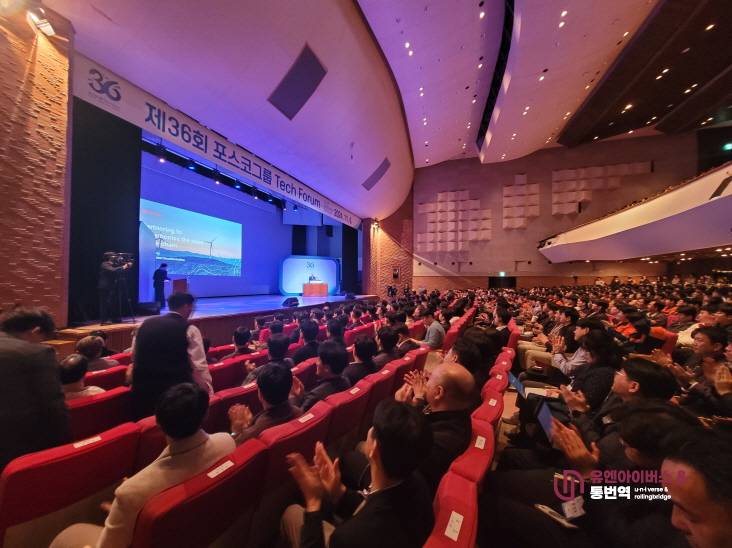
The Renewable Energy and Smart Infrastructure and Architecture and IT Technology Seminar is a multidisciplinary forum integrating energy systems engineering digital transformation construction innovation and smart city policy.
The event addressed:
Renewable energy technologies solar wind hydrogen and fuel cells
Energy Storage Systems ESS and grid scale solutions
Smart grid and digital power management
Carbon neutral and net zero strategies
BIM driven architecture and Digital Twin platforms
IoT based smart building systems and predictive maintenance
AI assisted terminology alignment supported structured technical presentations while human interpreters maintained full control over system level explanations interdisciplinary integration and real time expert dialogue.
All sessions were conducted under the QMS 9 Step Quality Management System to ensure zero distortion of engineering policy and infrastructure terminology.
1 Event Overview
This international seminar convened:
Renewable energy engineers
Smart grid specialists
Architects and urban planners
IT platform developers
Construction technology firms
Government and public sector agencies
English Korean simultaneous interpretation was provided for:
Technical keynote presentations
Industry case studies
Policy briefings
Panel discussions
Real time Q and A sessions
Given the convergence of energy engineering architecture IT systems and regulatory frameworks precise contextual delivery was essential.
2 Key Interpretation Topics
2.1 Renewable Energy and Smart Energy Systems
Solar wind hydrogen and fuel cell technologies
Grid scale Energy Storage Systems ESS
Smart grid architecture and digital power management
Carbon neutral transition and decarbonization strategies
National energy policies and green investment trends
2.2 Architecture and IT Technology Integration
BIM driven design automation and simulation
Digital Twin platforms for buildings and smart cities
IoT based monitoring and facility management systems
AI and sensor based predictive maintenance
Sustainable materials and low carbon construction design
Robotics drones and construction automation
Smart mobility and autonomous infrastructure systems
3 Case Examples
Case 1 International Smart Construction and Digital Twin Forum
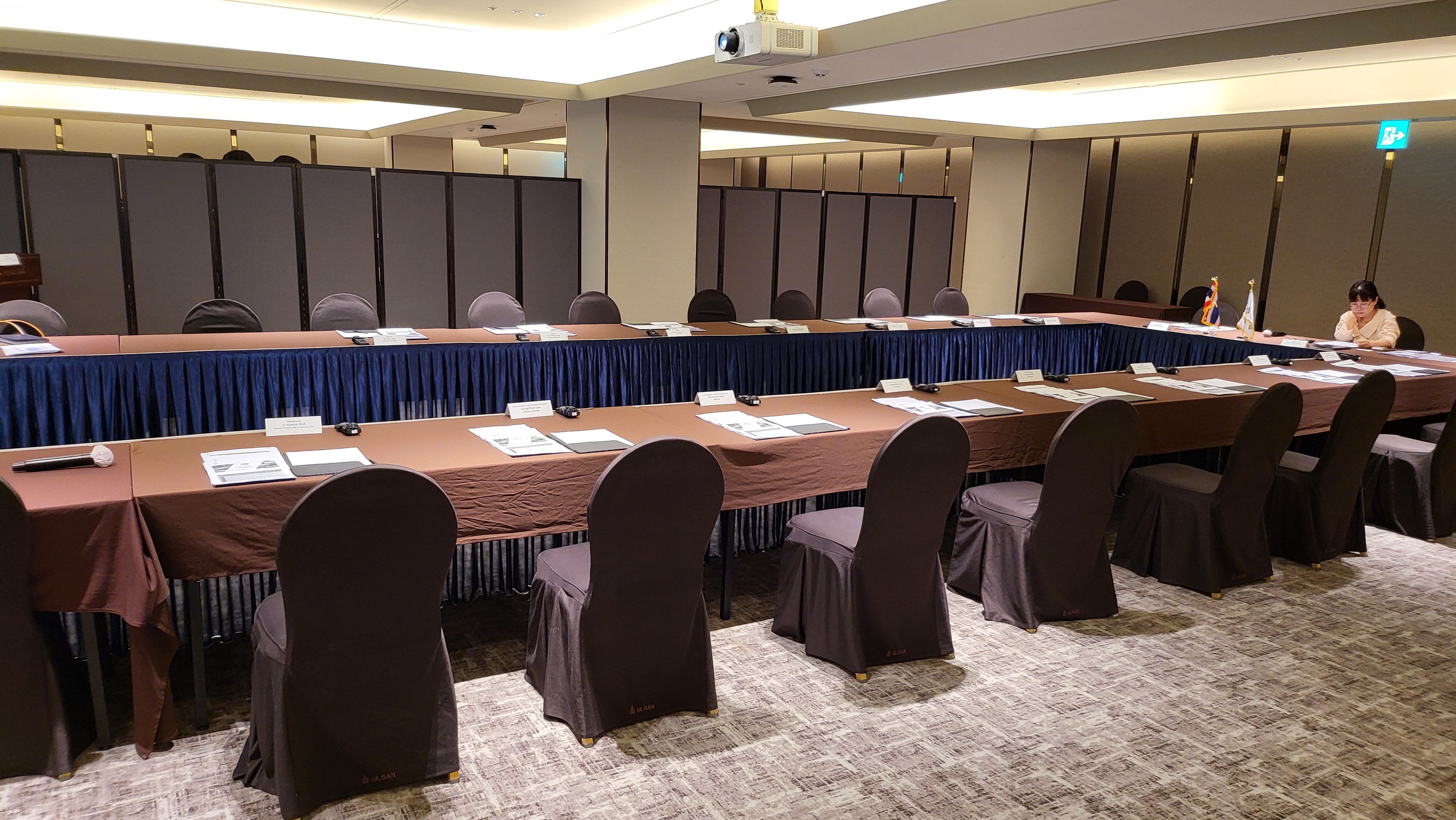
Simultaneous interpretation during a global forum on BIM and Digital Twin implementation for urban development.
Delivered precise terminology for simulation models data integration and lifecycle management systems.
Outcome zero contextual distortion and 100 percent numerical alignment.
Case 2 Renewable Energy and Smart Grid Innovation Seminar
Interpretation support for policy and engineering discussions on grid modernization and carbon neutral transition.
Managed complex interaction between engineers policymakers and investors.
Outcome seamless interdisciplinary communication.
Case 3 Urban Digital Transformation and ESG Infrastructure Summit
Interpretation during panel sessions covering ESG compliance sustainable urban design and digital infrastructure.
Maintained clarity in high speed expert exchanges.
Outcome stable communication across multinational stakeholders.
4 Frequently Asked Questions FAQ
Q1 Why is interdisciplinary infrastructure interpretation considered complex
Because it requires simultaneous understanding of engineering systems architectural design digital platforms and regulatory policy frameworks.
Q2 Is simultaneous interpretation recommended for technology heavy seminars
Yes simultaneous interpretation allows uninterrupted delivery of technical presentations and supports real time data driven discussion.
Q3 How are technical abbreviations such as BIM ESS and IoT managed
Through prior glossary preparation terminology mapping and QMS based validation procedures.
Q4 Can interpretation handle data intensive system diagrams and simulations
Yes interpreters are trained to manage numerical metrics design schematics and simulation outputs with clarity.
Q5 How is neutrality maintained in ESG and policy discussions
Interpretation is delivered without institutional bias ensuring balanced and professional communication.
5 Pricing Determination Conditions
Fees for renewable energy and smart infrastructure interpretation are determined by:
1 Technical Complexity
Volume of engineering and IT terminology
Level of system architecture explanation
Depth of regulatory and ESG discussion
2 Format and Duration
Simultaneous or consecutive interpretation
Total session hours
Number of language channels
3 Preparation Intensity
Volume of presentation materials
Development of interdisciplinary glossary
Review of energy policy and construction standards
4 Stakeholder Profile
Government participation
Corporate executive presence
International delegation involvement
5 Risk Sensitivity
Infrastructure investment scale
Regulatory compliance implications
Public visibility and media exposure
Pricing reflects preparation depth and interdisciplinary technical risk sensitivity.
6 AI and Human Hybrid Architecture
Segment AI Support Human Interpreter
Structured technical slides 55 to 65 percent Supervision
Terminology alignment Assisted 100 percent validation
Policy and ESG discussion Minimal 100 percent control
Live panel and Q and A None 100 percent
AI Role
Glossary reinforcement
Numerical and diagram alignment
Structured content recognition
Human Role
Contextual system integration
Engineering and policy nuance calibration
Real time interdisciplinary coordination
Strategic communication management
7 QMS 9 Step Quality Management System
1 Technical scope analysis
2 Engineering and policy framework review
3 Interdisciplinary terminology mapping
4 ESG and regulatory validation
5 AI glossary integration
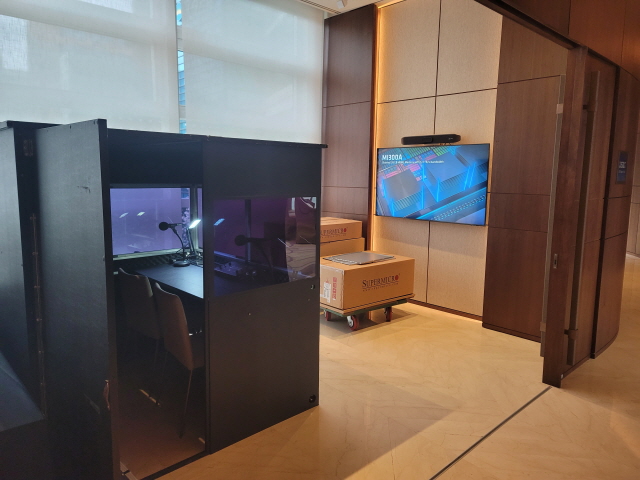
6 Acoustic and system optimization
7 Real time monitoring
8 Post session review
9 Documentation and archival
Quality Indicators
Terminology alignment 99 percent and above
Numerical accuracy 100 percent
Contextual distortion zero cases
8 Core Competencies
Strong foundation in architecture engineering energy systems and ICT
Mastery of cross sector technical terminology
Ability to interpret system diagrams data models and simulation content
Context oriented explanation style interpretation
Communication tailored to diverse expert audiences
9 Representative Projects
International Smart Construction and Digital Twin Forum
Renewable Energy and Smart Grid Innovation Seminar
Architecture and IT Fusion Technology Workshop
Urban Digital Transformation and ESG Infrastructure Summit
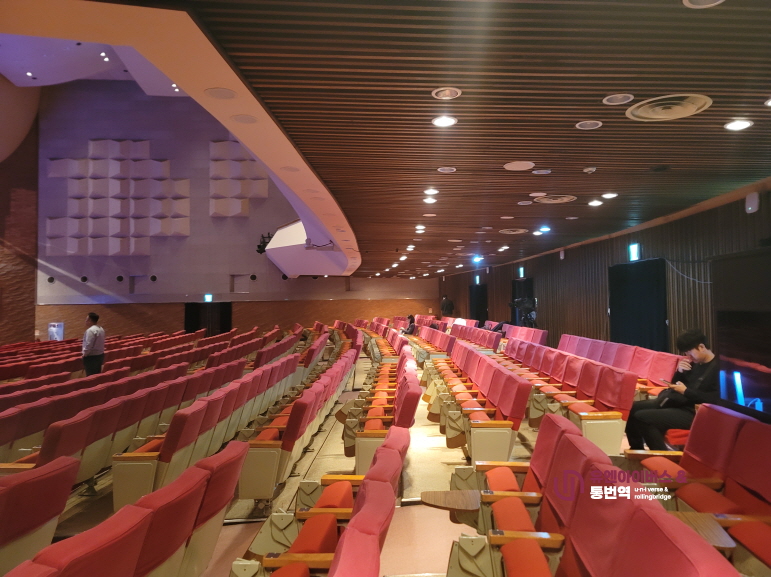
In large-scale international seminars, stable multilingual communication is achieved when interpretation systems, technical equipment, and interpreter operations are designed as an integrated architecture.
10 Conclusion
Renewable Energy and Smart Infrastructure and Architecture and IT Technology interpretation is structured interdisciplinary technical communication.
It requires:
Engineering literacy
Architectural system understanding
Digital platform fluency
ESG and regulatory awareness
Real time precision
UNIVERSE RB designs integrated communication systems under the QMS 9 Step framework to ensure clarity and zero distortion in complex energy infrastructure and smart city discussions.
This case represents one of the seminars or forums discussing the industrial application of AI technologies.
AI technologies continue to expand across manufacturing, data analytics, and automation systems through real-world implementation.
→ Explore AI Seminar Interpretation Cases
https://universerb.com/en/11_en/93?page=39

The case archive on this website is based on interpretation and global communication experiences conducted in international seminars, policy forums, corporate presentations, and industry conferences.
To comply with client confidentiality and the Code of Professional Conduct, some event details are described in a generalized manner.