
Quotation


Performance
Korea Corporate Governance Forum Simultaneous Interpretation | Capital Market · ESG Governance Forum – UNIVERSE RB
- 2026.01.15
Public Policy & Global Governance
Category
Description
This category covers interpretation cases related to international policy
forums, public cooperation initiatives, ODA programs, and global governance
topics including environmental and climate policy.
UNIVERSE RB provides integrated services including:
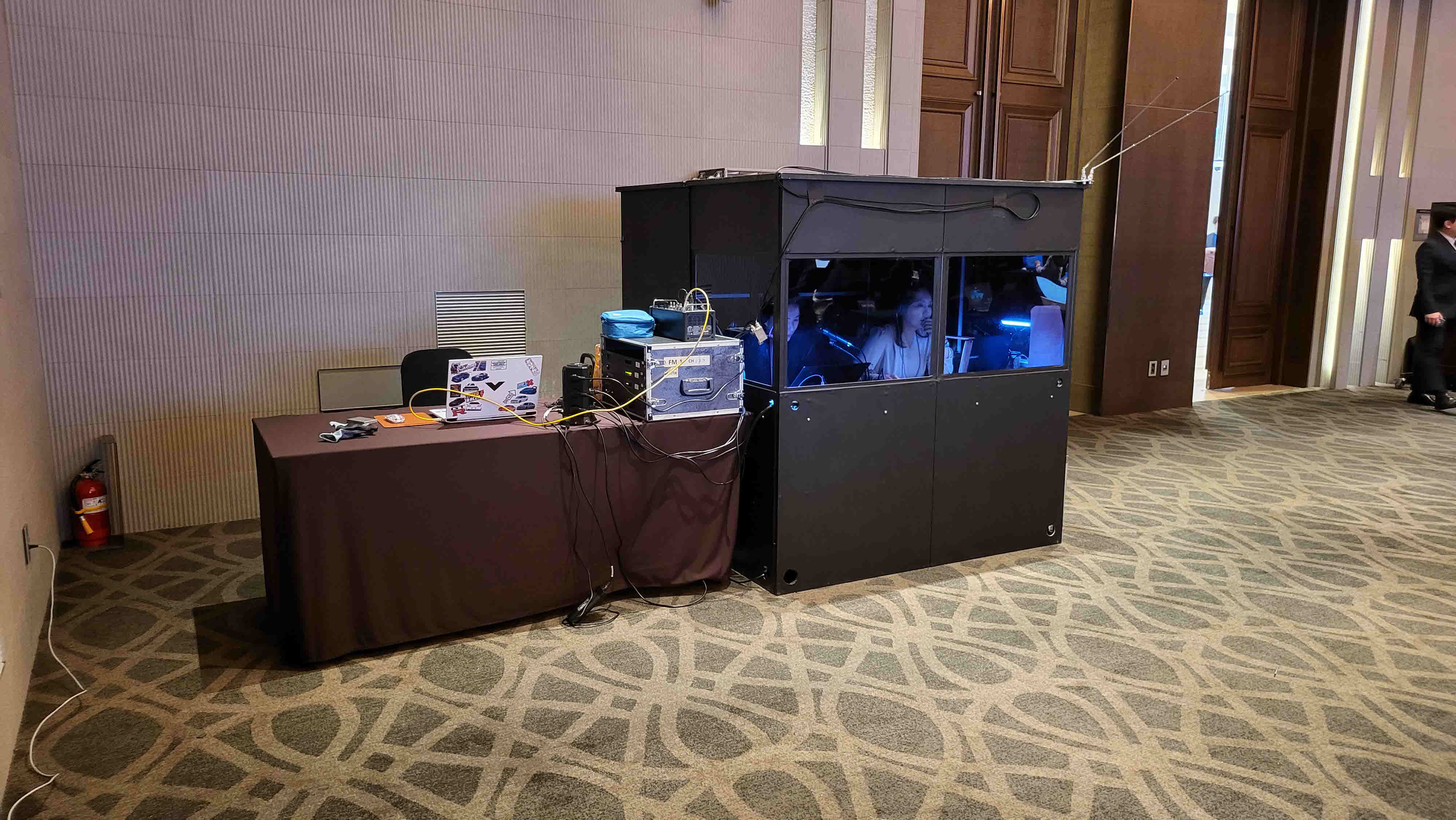
Simultaneous interpretation Consecutive interpretation International conference interpretation Policy document translation QMS-based quality management operations
We support international policy forums, government cooperation meetings, and global governance conferences with stable interpretation environments.
Executive Summary
The Korea Corporate Governance Forum is a high-level policy and finance platform addressing board governance, shareholder rights, ESG integration, and capital market transparency.
The forum integrates legal reform discourse, financial market perspectives, institutional investor dialogue, and global governance standards within a structured capital market framework.
Simultaneous interpretation requires precision in corporate, legal, and financial terminology, strict neutrality in market-sensitive discussions, and disciplined delivery under UNIVERSE RB’s QMS-based capital market communication architecture.
1. Overview
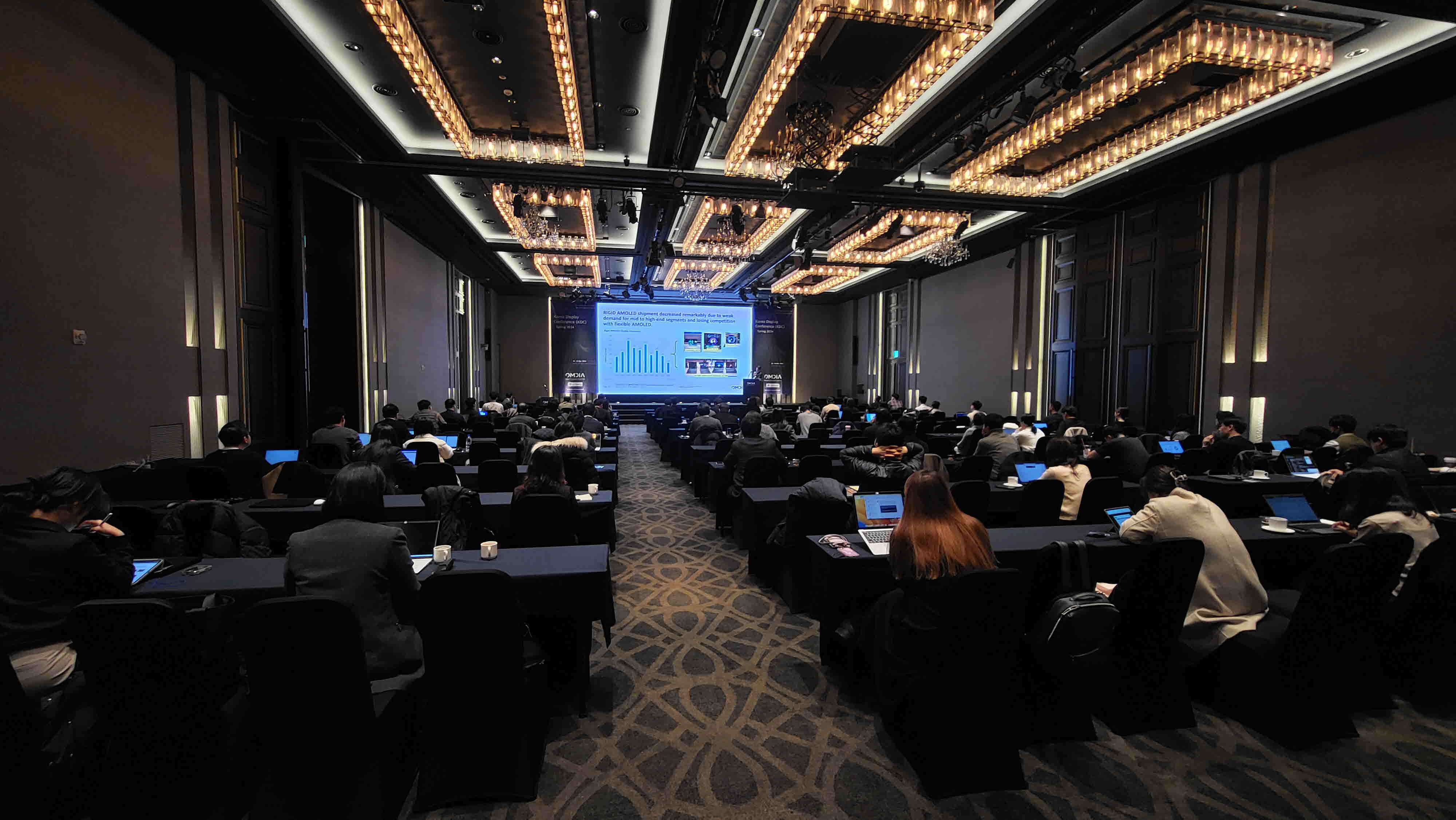
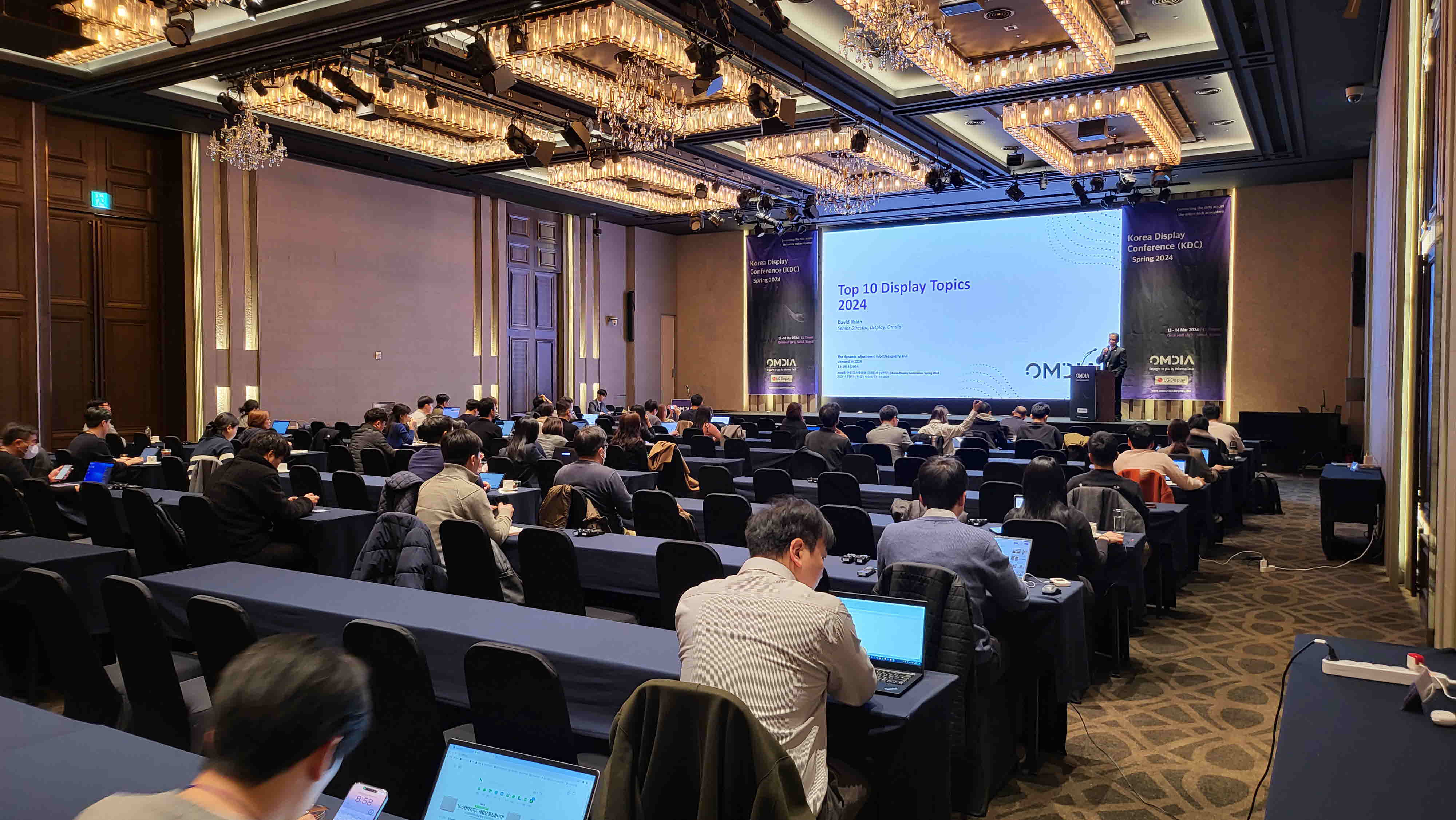
The Korea Corporate Governance Forum is a high-level policy and finance forum where government officials, financial institutions, corporations, academia, legal professionals, and domestic and international investors convene to discuss corporate governance, board accountability, shareholder rights protection, ESG management, capital market trust, and fair corporate practices.
The forum aims to enhance transparency and confidence in the Korean capital market by facilitating in-depth discussions on governance reform aligned with global standards, as well as on practical institutional frameworks and case-based implementation strategies.
Simultaneous interpreters are required to deliver complex discourse encompassing corporate governance, finance, law, ESG, and public policy with accuracy and a neutral, professional tone reflecting the forum’s high level of expertise.
2. Key Topics
Corporate Governance
Strengthening board structure and independence
Board accountability and fiduciary responsibilities
Executive oversight and internal control systems
Shareholder Rights and Capital Markets
Minority shareholder protection and shareholder activism
Stewardship Code implementation by institutional investors
Corporate value enhancement and shareholder return policies
ESG Management and Sustainability
Integration of ESG and governance (G) structures
Disclosure, transparency, and responsible management
Sustainable finance and responsible investment (RI)
Legal, Institutional, and Regulatory Environment
Amendments to the Commercial Act and Capital Markets Act
Disclosure regime reforms and regulatory developments
Comparison with global governance standards (OECD, ISSB, etc.)
Global Investor Perspectives
Overseas investor assessments of the Korean market
Governance gap analysis and compliance challenges
Trust-based capital market strategy development
3. Interpretation Format
| Session Type | Content | Interpretation Mode |
|---|---|---|
| Keynote Addresses | Governance reform direction and policy vision | Simultaneous |
| Policy Sessions | Legal, institutional, and regulatory frameworks | Simultaneous |
| Finance & Investment Sessions | Capital markets and shareholder rights | Simultaneous |
| Case Presentations | Corporate governance and ESG cases | Simultaneous |
| Panel Discussions | Government, corporate, investor dialogue | Simultaneous |
| Q&A Sessions | Audience interaction | Consecutive / Simultaneous |
4. Required Competencies
Comprehensive understanding of corporate governance and capital market structures
Proficiency in financial, legal, and ESG-related terminology
Ability to shift register between legal drafting language and investment discourse
Accurate handling of financial indicators, disclosures, and shareholder metrics
Neutral and formal tone appropriate for international finance forums
Disciplined interpretation of market-sensitive and reputationally significant issues
5. Sample Interpretation Cases
International corporate governance conferences
ESG and responsible investment policy forums
Institutional investor and pension fund governance seminars
Financial authority–academia joint policy dialogues
Corporate investor relations (IR) briefings for global investors
6. Interpretation Notes
Accuracy in Governance and Financial Terminology
Key terms such as Corporate Governance, Board Independence, Shareholder Rights, Stewardship Code, Fiduciary Duty, and Capital Markets Act must be rendered precisely and consistently.
Neutrality in Policy and Market Discourse
Corporate evaluations, regulatory critiques, and investor opinions must be conveyed exactly as expressed without additional interpretation or evaluative framing.
Distinguishing Legal and Regulatory Force
Differences between “shall,” “may,” “recommendation,” “guideline,” and “mandatory requirement” must be interpreted accurately to preserve legal implications.
Numerical and Disclosure Precision
Dividend ratios, shareholding percentages, voting power, earnings figures, and ESG metrics must be interpreted with absolute numerical accuracy.
7. Practical Case Analysis
Case 1 – Board Accountability Reform Proposal
When discussing amendments to fiduciary duty provisions, interpreters must clearly differentiate between proposed legislative changes and non-binding governance recommendations.
Case 2 – Shareholder Return Policy Debate
Discussions on dividend payout ratios, share buybacks, and capital allocation strategies require accurate financial terminology and numerical precision.
Case 3 – ESG Disclosure Framework Comparison
Comparative analysis between domestic standards and global frameworks (OECD, ISSB) requires structural clarity and precise differentiation of regulatory authority.
8. Pricing Determination Conditions
Interpretation fees for a corporate governance forum are determined by:
Language combination (bilingual or multilingual configuration)
Number of interpreters required (team simultaneous recommended)
Event duration and thematic density
Level of legal and financial complexity
Availability of preparatory legal texts and financial materials
Degree of market sensitivity and media exposure
On-site, hybrid, or live-broadcast format
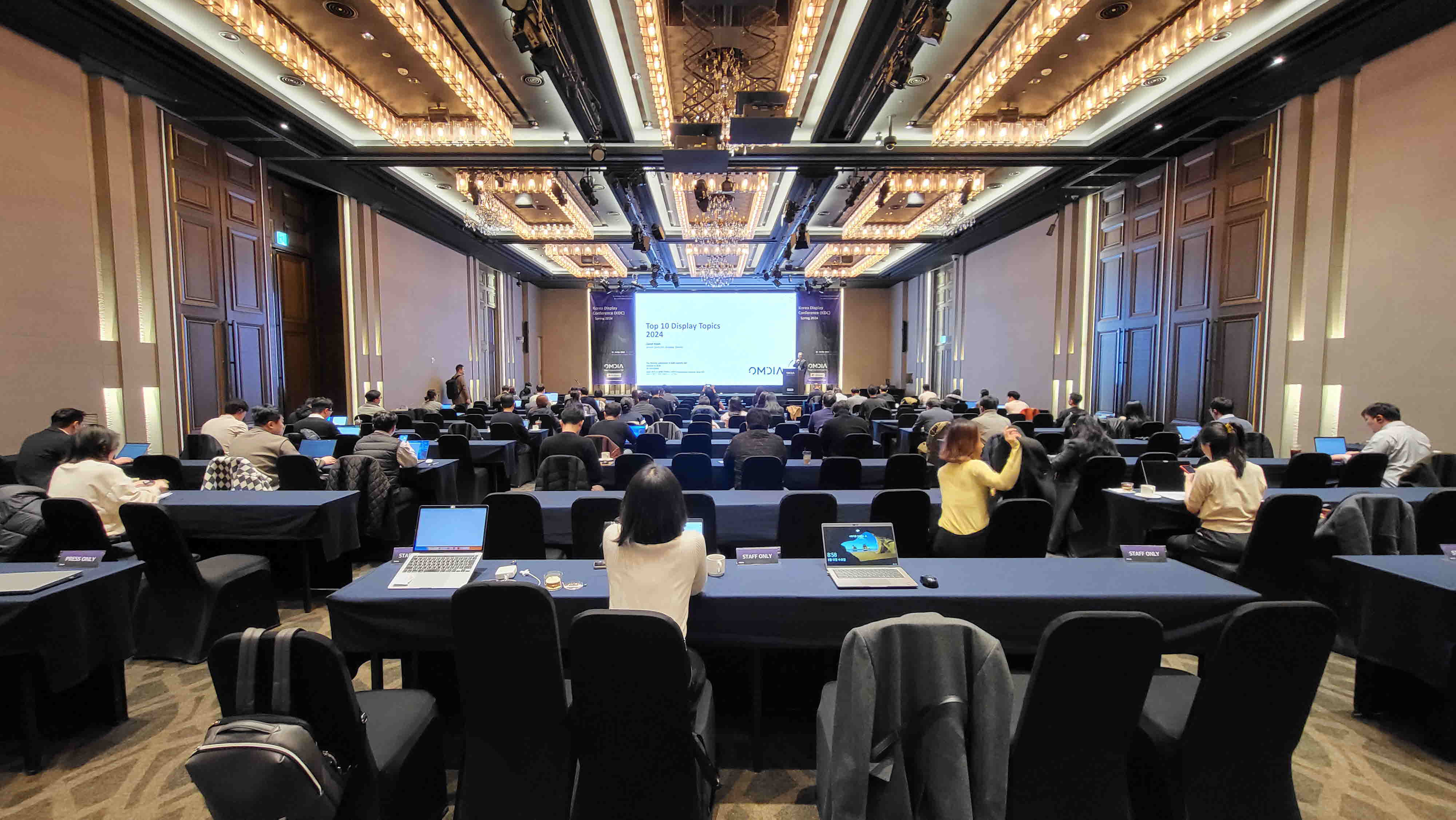
Equipment configuration (booth system, IR/FM receivers, financial broadcast integration)
Capital market and governance forums are categorized as upper-tier complexity events due to financial sensitivity, regulatory precision requirements, and reputational impact.
9. FAQ
Q1. Why is corporate governance interpretation highly specialized?
Because it integrates corporate law, financial markets, ESG standards, and regulatory policy within a high-stakes investment environment.
Q2. How is neutrality maintained during market-sensitive discussions?
Interpreters deliver content exactly as stated, without commentary, emphasis, or evaluative language.
Q3. Is preparation essential?
Yes. Reviewing governance codes, financial disclosures, and regulatory texts ensures terminological consistency and accuracy.
Q4. Is simultaneous interpretation recommended?
Yes. Structured simultaneous interpretation ensures continuity and clarity during dense financial and legal discussions.
Q5. How are legal distinctions preserved?
By carefully differentiating binding statutory language from advisory or voluntary governance guidelines.
10. Summary
Simultaneous interpretation for the Korea Corporate Governance Forum represents a highly specialized field integrating corporate governance reform, finance, law, ESG standards, and capital market policy.
It requires:
Precise financial and legal terminology
Strict neutrality in market discourse
Accurate numerical handling
Deep understanding of global governance standards
Interpreters serve as capital market communication architects, ensuring discussions on transparency, accountability, and investor trust in the Korean capital market are conveyed professionally, accurately, and credibly under the UNIVERSE RB QMS framework.
This
case represents one of the sessions conducted as part of international policy
cooperation and global governance discussions.
Policy environments and international cooperation frameworks continue to evolve
in response to economic, environmental, and development policy changes.
→ See ODA & Global Cooperation Cases
https://universerb.com/en/11_en/225?page=39
https://universerb.com/en/11_en/196?page=39
The case archive on this
website is based on interpretation and global communication experiences
conducted in international seminars, policy forums, corporate presentations,
and industry conferences.
To comply with client confidentiality and the Code of Professional Conduct,
some event details are described in a generalized manner.