
Quotation


Performance
Second Trump Administration Policy Seminar Simultaneous Interpretation | U.S. Foreign Policy · Strategic Diplomacy – UNIVERSE RB
- 2026.01.22
Public Policy & Global Governance
Category
Description
This category covers interpretation cases related to international policy
forums, public cooperation initiatives, ODA programs, and global governance
topics including environmental and climate policy.
UNIVERSE RB provides integrated services including:
Simultaneous interpretation Consecutive interpretation International conference interpretation Policy document translation QMS-based quality management operations
We support international policy forums, government cooperation meetings, and global governance conferences with stable interpretation environments.
Executive Summary
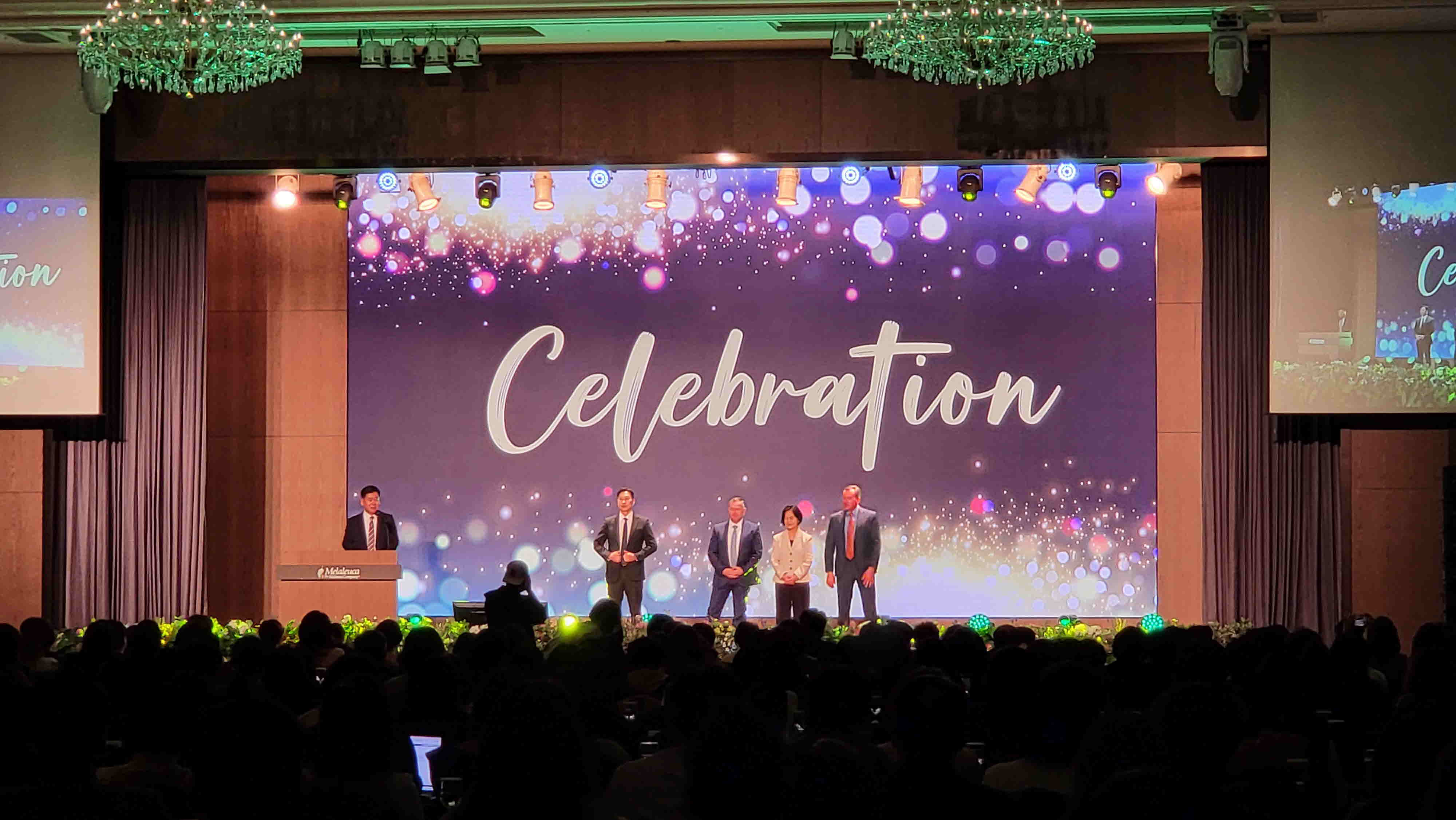
The Policy Seminar on the Second Trump Administration is a high-level strategic forum analyzing the direction and global implications of a potential second administration of Donald Trump across foreign policy, security, trade, energy, and technology domains.
The seminar integrates diplomatic strategy, alliance management, economic policy, and geopolitical risk assessment within a policy-driven analytical framework.
Simultaneous interpretation requires strict political neutrality, precision in security and economic terminology, and calibrated diplomatic tone under UNIVERSE RB’s QMS-based strategic communication architecture.
1. Overview
The Policy Seminar on the Second Trump Administration is a high-level policy forum focused on analyzing the direction, priorities, and global implications of a second Trump administration across key areas including foreign policy, security, trade, economy, energy, technology, and alliance management.
The seminar brings together government officials, diplomats, security analysts, economists, academics, think tanks, and international stakeholders to assess U.S. policy shifts and their potential impact on Korea, the Indo-Pacific region, and the broader global order.
Simultaneous interpreters are required to deliver politically sensitive, strategically nuanced content with the highest degree of accuracy, neutrality, and diplomatic restraint.
2. Key Topics
U.S. Foreign and Security Policy
-
Strategic priorities of the second Trump administration
-
Alliance management and burden-sharing debates
-
U.S.–China strategic competition and power balance dynamics
Korea–U.S. Relations
-
Outlook for the Korea–U.S. alliance
-
Extended deterrence and defense cooperation
-
Trade, investment, and economic diplomacy
Economic & Trade Policy
-
“America First” trade protectionism
-
Tariffs, supply chain restructuring, and reshoring strategies
-
Implications for global markets and partner economies
Defense, Security, and Geopolitics
-
Indo-Pacific strategy and regional security architecture
-
NATO and multilateral alliance frameworks
-
Emerging security domains: cyber, space, and AI
Energy, Climate, and Industrial Policy
-
Energy independence and fossil fuel expansion
-
Climate policy shifts and industrial competitiveness
-
Global energy market implications
Technology and Regulation
-
Technology competition and export controls
-
AI, semiconductors, and digital sovereignty
-
Regulatory shifts affecting innovation ecosystems
3. Interpretation Format
| Session Type | Content | Interpretation Mode |
|---|---|---|
| Keynote Speeches | Policy vision and strategic outlook | Simultaneous |
| Policy Analysis Sessions | Security, economy, diplomacy | Simultaneous |
| Expert Presentations | Scenario analysis and forecasts | Simultaneous |
| Panel Discussions | Government, academia, think tanks | Simultaneous |
| Q&A Sessions | Audience and expert interaction | Simultaneous / Consecutive |
4. Required Competencies
-
In-depth understanding of U.S. foreign, security, and economic policy
-
Familiarity with diplomatic, military, and geopolitical terminology
-
Ability to distinguish policy statements from political rhetoric and analytical commentary
-
Strict neutrality in handling politically sensitive content
-
Capacity to process dense, high-speed expert discussions
-
Proficiency in international policy forum tone and institutional register
5. Sample Interpretation Contexts
-
U.S. administration policy outlook seminars
-
Korea–U.S. strategic dialogue forums
-
International think tank briefings
-
Government–academic joint policy discussions
-
Global geopolitical risk and strategy conferences
6. Interpretation Notes
Accuracy in Policy Terminology
Key terms such as Extended Deterrence, Strategic Competition, Alliance Burden-Sharing, Rules-Based International Order, and Reshoring must be rendered precisely and consistently.
Political Neutrality
All critiques, endorsements, and policy evaluations must be conveyed exactly as stated, without amplification, mitigation, or personal inflection.
Sensitivity to Tone and Intensity
Words such as threat, risk, challenge, pressure, and competition must reflect the speaker’s intended diplomatic weight and strategic nuance.
High-Speed Policy Discourse Management
Policy briefings are often dense and rapid; interpreters must identify core arguments, causal logic, and projected scenarios in real time without distortion.

7. Practical Case Analysis
Case 1 – Alliance Burden-Sharing Debate
When discussing cost-sharing negotiations, interpreters must distinguish between fiscal metrics, political framing, and strategic commitments.
Case 2 – U.S.–China Strategic Competition
Analysis of supply chain decoupling, export controls, and geopolitical leverage requires precise economic and security terminology alignment.
Case 3 – Energy Policy Reorientation
When addressing fossil fuel expansion versus climate rollback narratives, interpreters must balance technical terminology with diplomatic tone management.
8. Pricing Determination Conditions
Interpretation fees for high-level policy seminars are determined by:
-
Language combination (bilingual or multilingual configuration)
-
Number of interpreters required (team simultaneous interpretation recommended)
-
Event duration and session density
-
Political and diplomatic sensitivity level
-
Availability of preparatory policy briefs and research papers
-
Degree of geopolitical and media exposure
-
On-site, overseas, or hybrid format
-
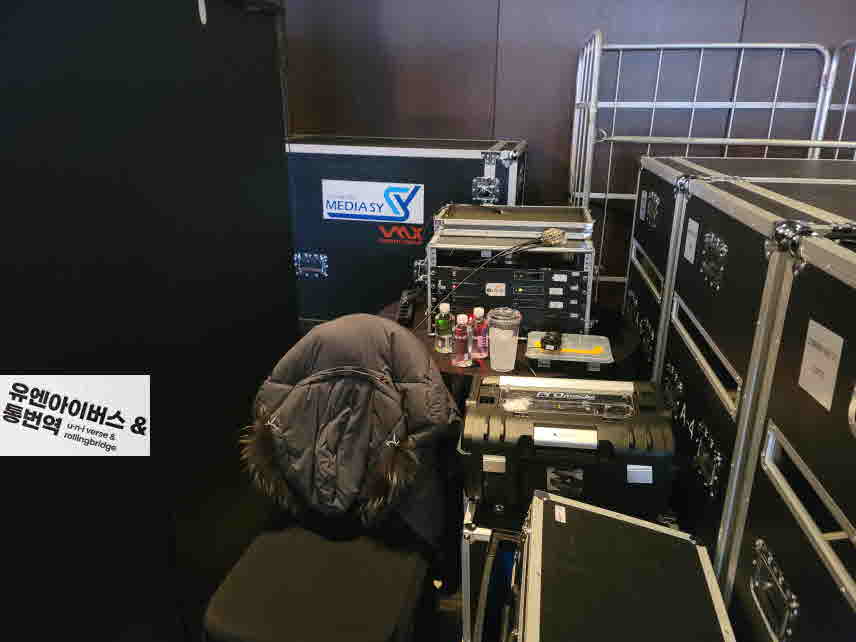
Equipment configuration (booth system, IR/FM receivers, secure broadcast systems)
Strategic geopolitical policy forums are categorized as upper-tier complexity events due to political sensitivity, terminological density, and reputational impact.
9. FAQ
Q1. Why is interpretation for geopolitical policy seminars highly demanding?
Because it integrates security strategy, economic policy, diplomatic language, and political analysis within a high-stakes international context.
Q2. How is neutrality ensured?
Interpreters adhere strictly to the speaker’s wording and tone without reinterpretation, emphasis, or evaluative framing.
Q3. Is preparation critical?
Yes. Reviewing policy papers, alliance frameworks, and strategic terminology ensures consistency and accuracy.
Q4. Is simultaneous interpretation recommended?
Yes. Structured simultaneous interpretation maintains continuity in high-density strategic discussions.
Q5. How are sensitive geopolitical expressions handled?
Through calibrated tone management that mirrors the speaker’s diplomatic intensity without exaggeration or dilution.
10. Summary
Simultaneous interpretation for a Policy Seminar on the Second Trump Administration represents one of the most demanding fields of political and strategic interpretation.
It requires:
-
Precise policy and security terminology
-
Strict political neutrality
-
Strong geopolitical situational awareness
-
Clear and authoritative delivery of complex strategic discourse
Interpreters serve as strategic communication architects, ensuring discussions on U.S. policy direction and global implications are conveyed accurately, professionally, and credibly across languages under the UNIVERSE RB QMS framework.
This
case represents one of the sessions conducted as part of international policy
cooperation and global governance discussions.
Policy environments and international cooperation frameworks continue to evolve
in response to economic, environmental, and development policy changes.
→ Explore International Policy Forum Cases
https://universerb.com/en/11_en/199?page=39
https://universerb.com/en/11_en/206?page=39
The case archive on this
website is based on interpretation and global communication experiences
conducted in international seminars, policy forums, corporate presentations,
and industry conferences.
To comply with client confidentiality and the Code of Professional Conduct,
some event details are described in a generalized manner.